


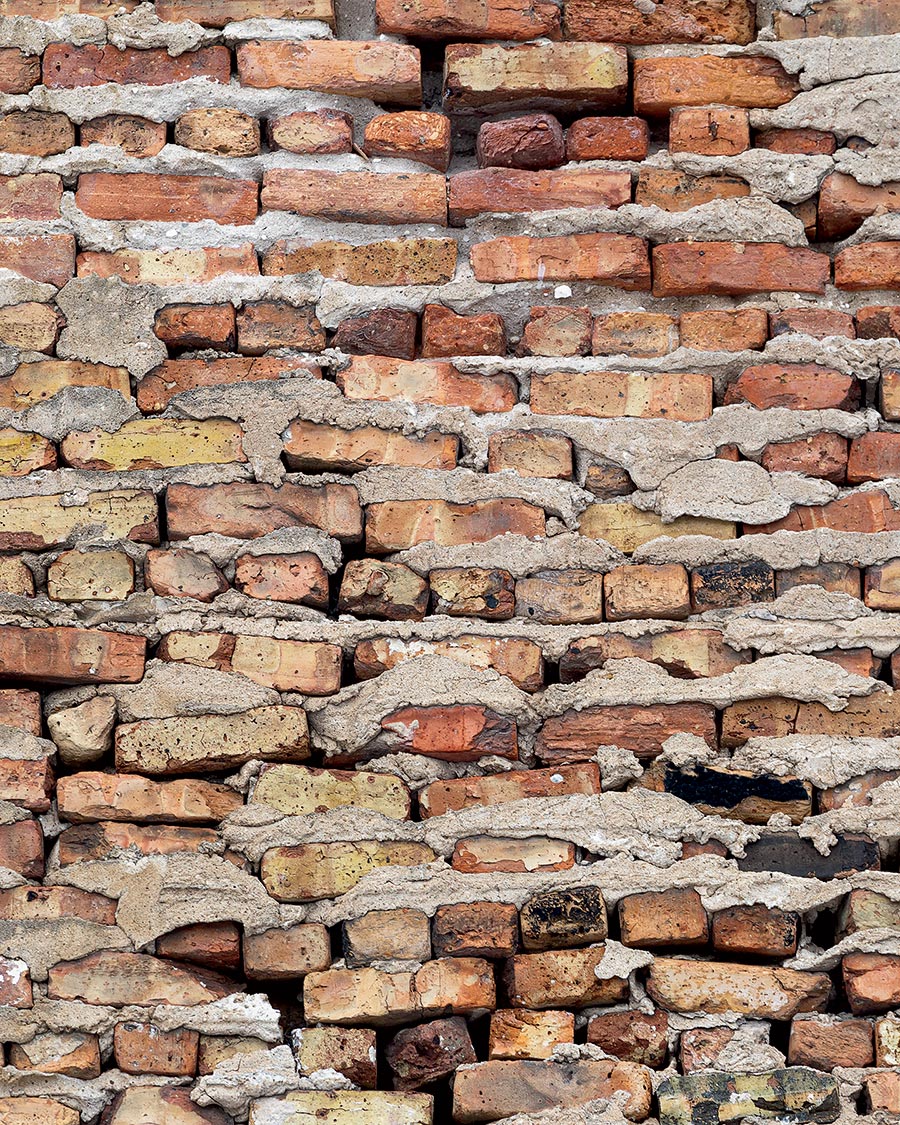
1 Chicago-made bricks didn’t win any beauty contests.
In the 19th century, the common bricks produced here “were considered the ugliest bricks in the entire country,” Will Quam writes in Fire and Clay: How Bricks Reveal the Hidden History of Chicago. Blame local clay, which is speckled with limestone and dolomite, leading to bricks with unpredictable color patterns. But Chicago still made a lot of them. Annual production peaked at 855 million in 1910. Their cheapness made them popular for utilitarian purposes, like lining “the guts, sides, and backs of buildings across the city,” Quam notes.
2 The city’s most visible bricks came from other places.
“Chicago imported all its face bricks, and more of them than any other city, save perhaps New York,” writes Quam. And so the fronts of brick buildings here reveal the history of architectural fashions. Milwaukee’s yellow Cream City bricks were popular in the mid-19th century, until St. Louis’s “perfect” red bricks, as they were dubbed, got hot. In the 1920s, the lowly Chicago common finally gained acceptance as a face brick, adding “rustic appeal” to North Shore mansions.
3 Green laws doomed local brickyards.
After the creation of the Environmental Protection Agency in 1970, federal and state authorities cracked down on the already declining industry. “The burning of brick produced not only soot and smoke but also ozone and sulfur dioxide, compounds that were right in the EPA’s crosshairs,” Quam writes. The last Chicago commons were produced in 1982. And don’t expect a renaissance here. As Quam explains, “Land alone would cost a new manufacturer millions, before extracting any clay.”
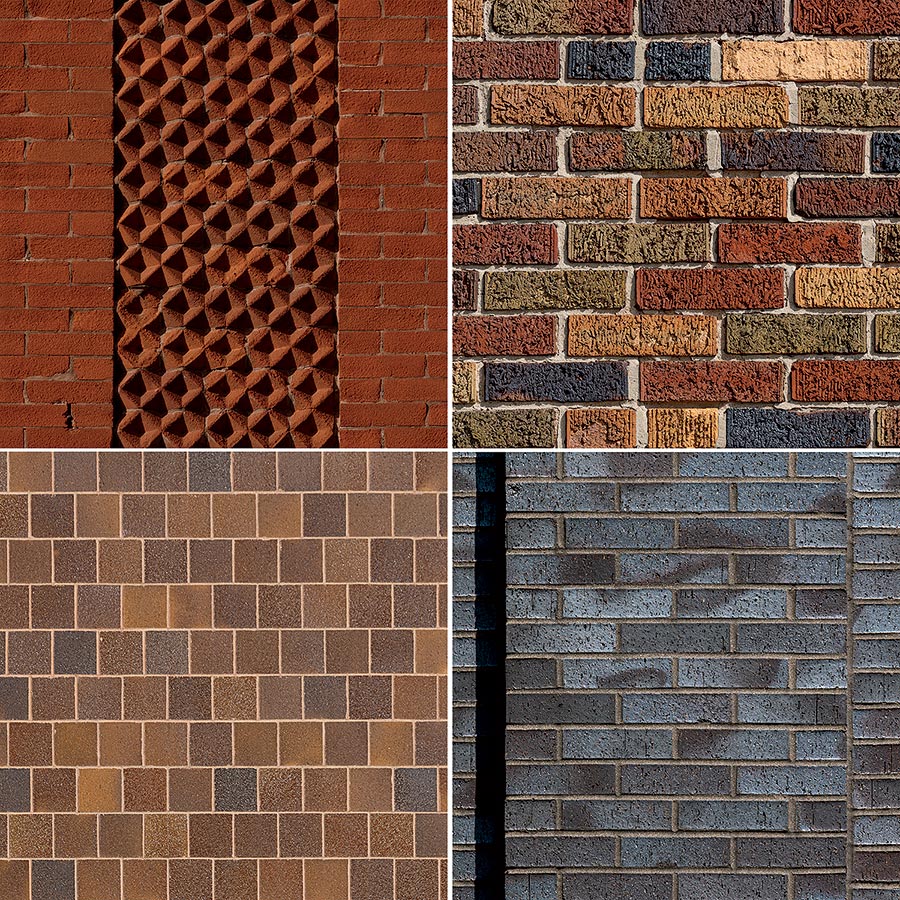
4 Old Chicago commons are now a hot commodity.
These timeworn building blocks are often salvaged from demolition sites. Homeowners in the South in particular seem to have an affinity for their weathered look. “From Florida to Texas, buyers love how old-fashioned and stained Chicago commons are,” Quam notes. “They import them in droves for projects of all types, from walkways to pool houses to villas.”
5 Modern mortar is undermining old brick.
Over the years, the lime mortar in many Chicago buildings has been replaced with a cement-based version to try to stabilize them. But that has caused its own issues: “The mortar is just too strong and too fine for moisture to move through it, so it instead goes out through the bricks, pulling out salts and expanding into ice along the way, eating the brick apart,” writes Quam. Minnekirken, a Logan Square church, reverted to lime mortar to head off disaster, using an Avondale masonry company’s century-old family formulas. Many other brick buildings around town suffer from the same problems, “but not all of them can afford the level and scale of work that Minnekirken received,” Quam laments.