


6 Ways Thrifting Creates Opportunities to Build Community
Content oversight provided by Studio 1847
Shopping in Chicago? Your mind might jump to the Magnificent Mile, the city’s premier retail destination that stretches along Michigan Avenue. But it isn’t always brand new clothes and decor that consumers are chasing. Thrift culture is booming, with the U.S. secondhand market worth $56 billion in 2025. Thrifting has become so popular that people are now organizing events around the activity.
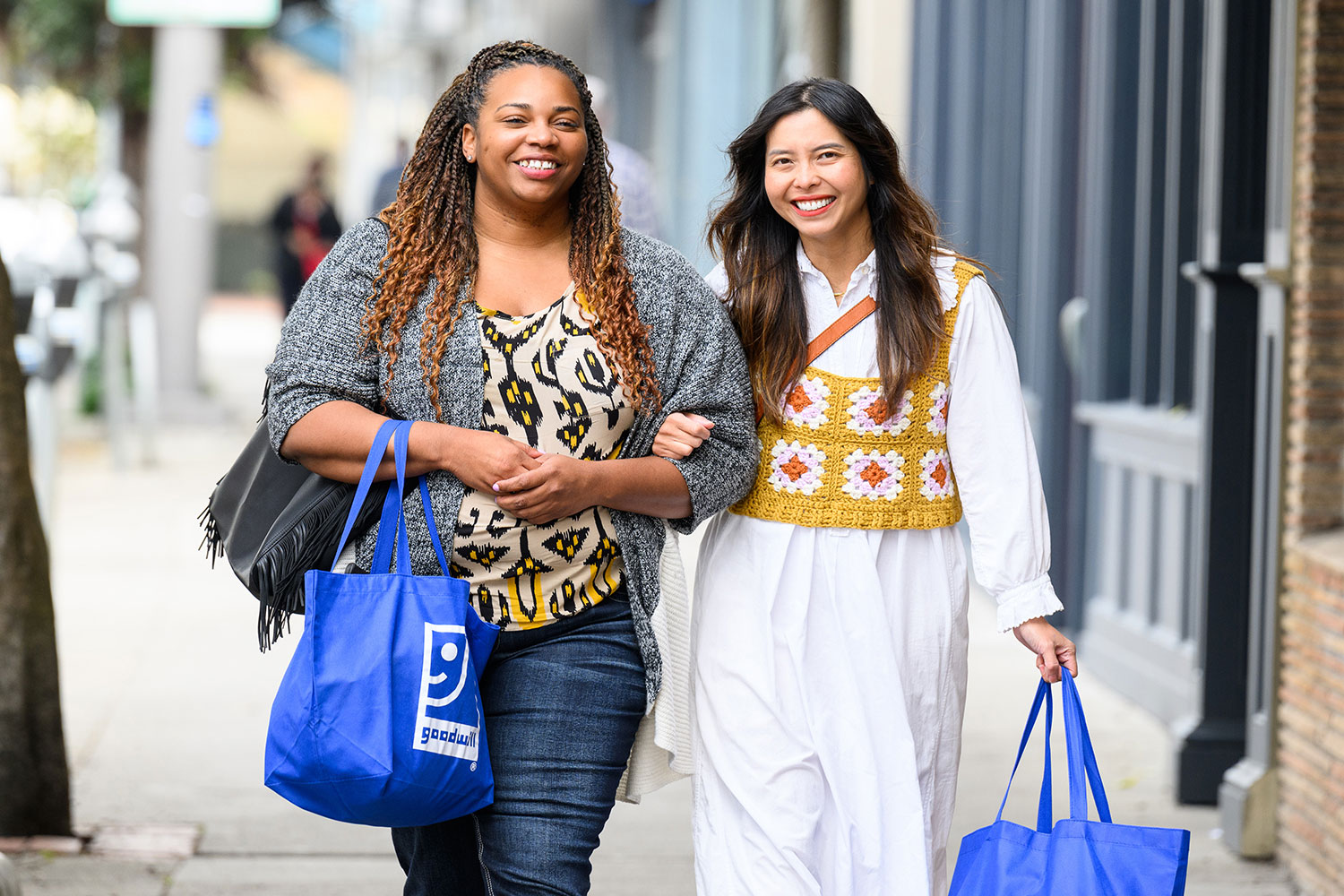
Thrift stores like Goodwill offer a curated mix of secondhand clothing and household items, and with 3,000 new pieces hitting Chicagoland Goodwill floors daily, you’re bound to find something for anything from your capsule wardrobe to a special occasion. But buying secondhand can be much bigger than a one-time experience. In many ways, something as simple as shopping at a thrift store with your friends can strengthen bonds, curate a timeless wardrobe and foster connections with neighbors.
Here are a few ways that shopping secondhand creates community.
You and friends can bond over shared discoveries — and have surprising interactions along the way.
Thrift stores are unpredictable; you never know what beautiful table lamp or wonderfully weird ’70s bell bottoms you might find. These items spark conversations and can help strangers become friends.
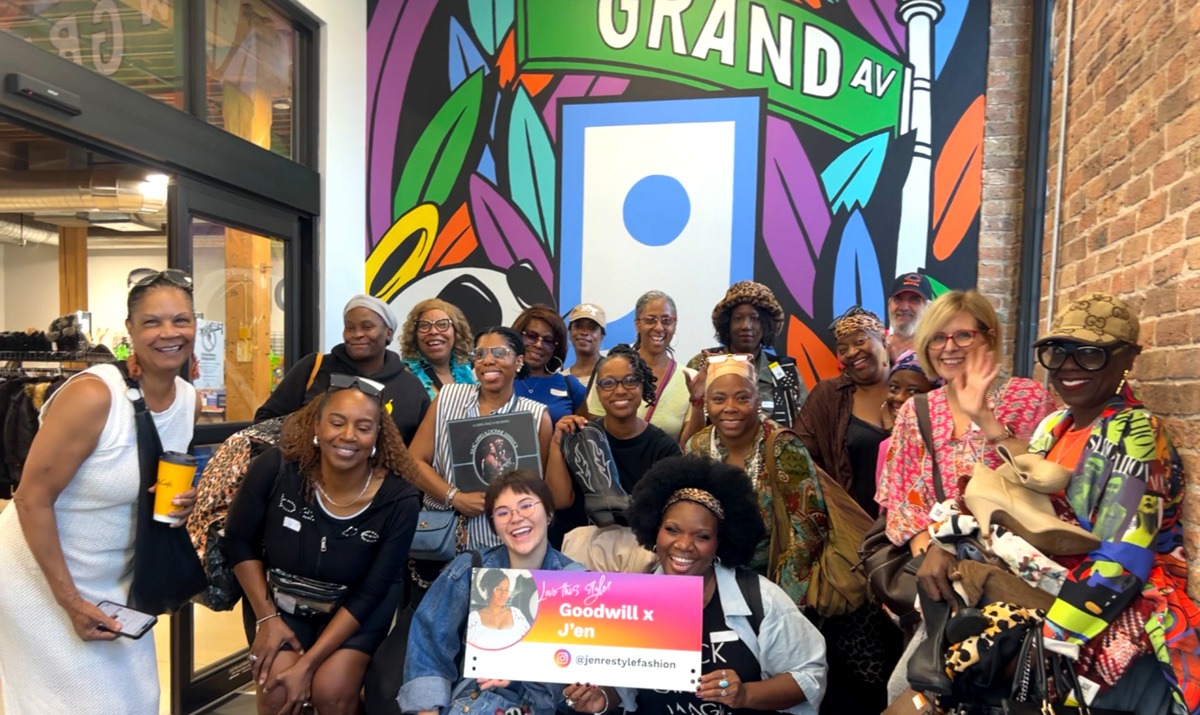
J’en Mason, a Chicago-based upcycling designer, content creator and community builder, attributes her focus on community to her earlier experience creating an upcycling group that grew into hundreds of creatives, reinforcing her belief that thrifting and fashion can bring people together. When she decided to hold her third “thrift crawl” alongside Goodwill for her social media followers, she had quite an eager group show up. Men and women accompanied her to three different thrift stores in the city, spending about an hour in each.
“By the third store, people weren’t just shopping for themselves — they were shopping for each other, building connections and even exchanging phone numbers,” says Mason, who has been thrifting for over 20 years.
Shoppers can make connections that go beyond the shelves and into something deeper.
More than bargain bins, secondhand stores are living archives where thrifters can wander the decades together.
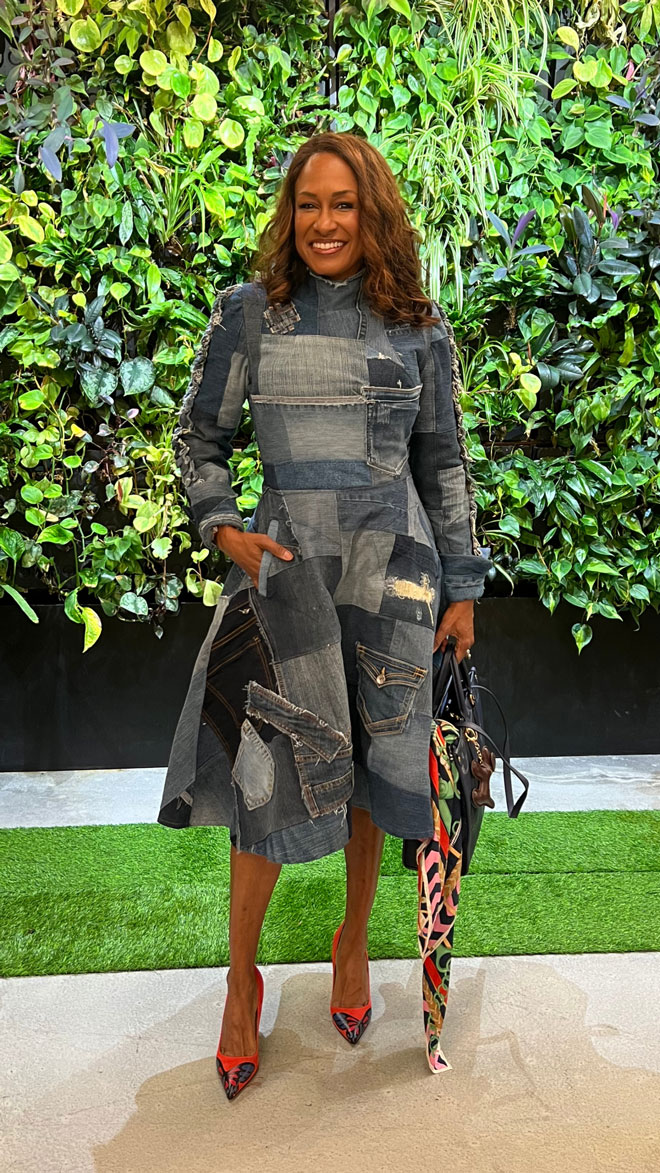
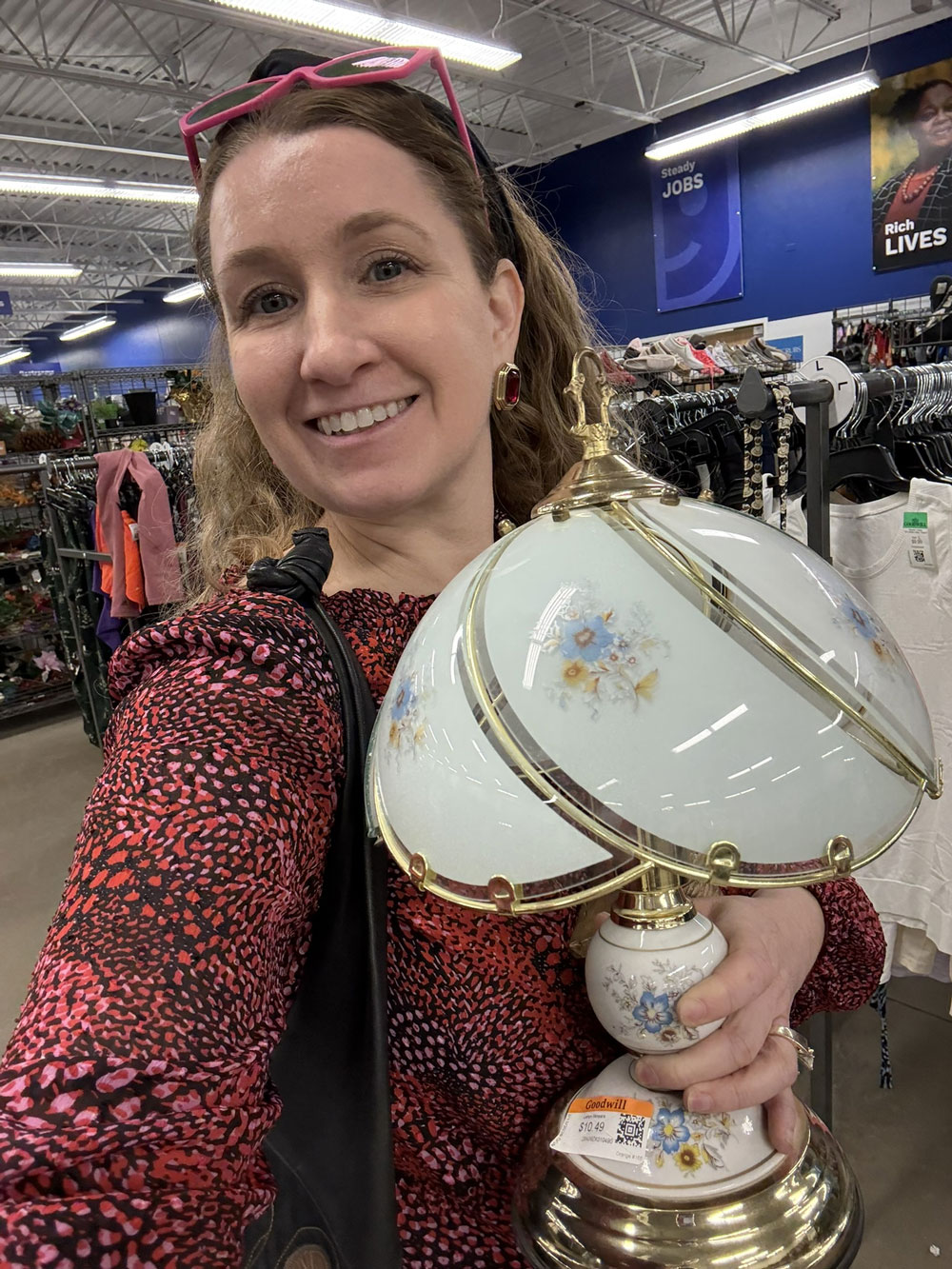
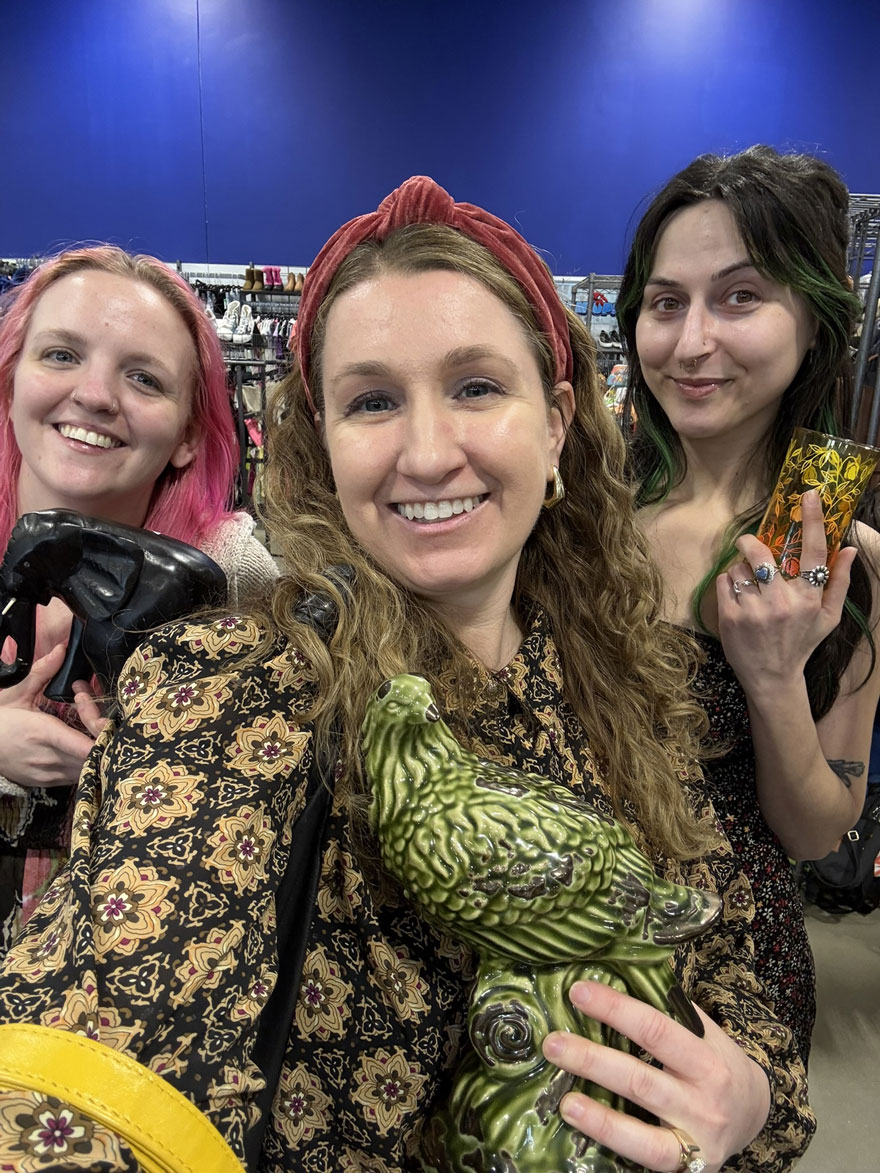
Whether you’re on the prowl for vintage 2000s low-rise jeans or Depression-era glass, thrift stores often have items with historical relevance. “There are clothes from every decade in the thrift store,” says local thrifter, collector and vintage dealer Sarah Hidalgo. “It’s a place that’s keeping decades worth of styles in circulation.”
Hidalgo, who specializes in discovering unique secondhand home decor, met her good friend, who is a glass collector, at an estate sale. They quickly bonded over their shared love of antiques, and they even ran into each other at a Chicago Goodwill later that day … and then by chance at another Goodwill in a different city a couple of weeks later. She eventually offered Hidalgo a coveted booth spot at a local antique mall, and now they see each other frequently.
“I made that connection because of thrifting,” she says. “If neither of us liked thrifting, we never would’ve seen each other again.”
It allows you to experiment with and explore your personal style with other budget-conscious shoppers.
While shopping solo can provide its own fun experience, looking through hundreds of pieces of clothing can be daunting. If you’re on a tight budget, you might be reluctant to go into a retail store filled with trendy items outside your price point. But in a thrift store, you can find funky clothes made of natural materials like wool and silk and decor you didn’t expect, all at low prices. You’re not just buying what they’re selling you; you’re encountering quality pieces that are true to your style.
“Not only does thrifting allow women to experiment, but it also allows them to build a wardrobe that’s unique and intentional,“ Mason says.
She adds that some of her favorite pieces were picked out by friends who thought they would look great on her. “Thrifting with other people is way more fun because not only do you have that aspect of asking somebody their opinion, but then you also have another pair of eyes that’s out there looking at racks and learning your style,” she says.
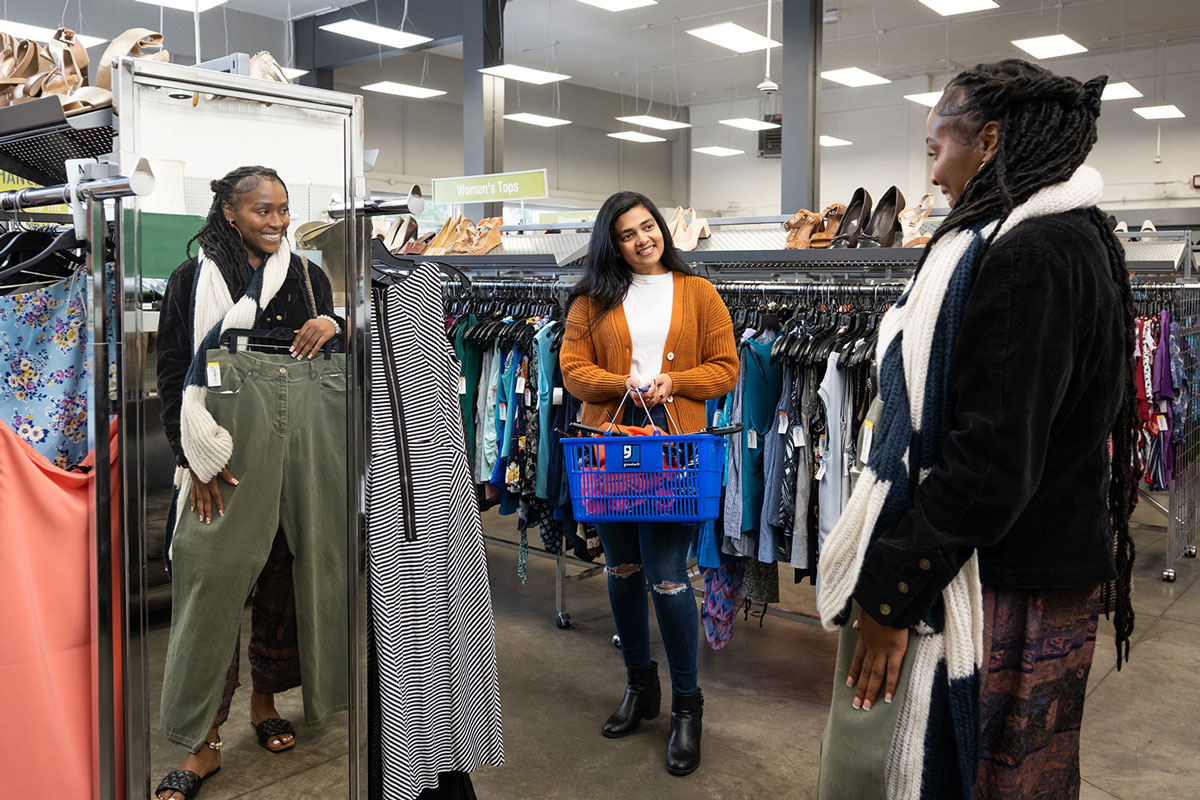
It provides a welcoming environment, helping people teach each other and exchange knowledge.
Thrifting culture encourages people to teach each other, whether it’s how to spot quality fabrics or upcycle clothing. Through her social media account and thrift crawls, Mason has taught followers how to transform secondhand clothes into their own singular creations. Meanwhile, Hidalgo has educated her following on how to spot expensive vintage home decor at thrift stores.
Expert-level thrifters are enthusiastic about what they’re doing, and they’re eager to interact with others and share their knowledge. Whether you want to redecorate your home, refresh your wardrobe or learn how to pick quality items, you’ll most likely be able to find someone thrifting around who’s an expert.
Mason emphasizes that thrifting doesn’t stop at the find — she teaches others how to upcycle pieces into something entirely new, turning fashion into a creative process rather than just a purchase.
When looking through specific objects, Hidalgo says to “pick it up, feel it, see if it’s heavy, like stone or metal versus plastic or resin. If something is made of a nicer material, then you can deduce that it was probably more expensive to make at the time.”
It makes shopping accessible to all and creates a shared, diverse space.
Thrifting draws people from different incomes, ages and backgrounds, creating a space to shop side by side. And in Chicago, thrift stores are conveniently located near public transportation, making them especially accessible. “No matter where you are in the city, you can walk in and discover something unique while also supporting community programs,” Mason says.
Although people might thrift for different reasons (saving money, discovering items of value, collectively reducing waste), these are all bound by a deeply human connection.
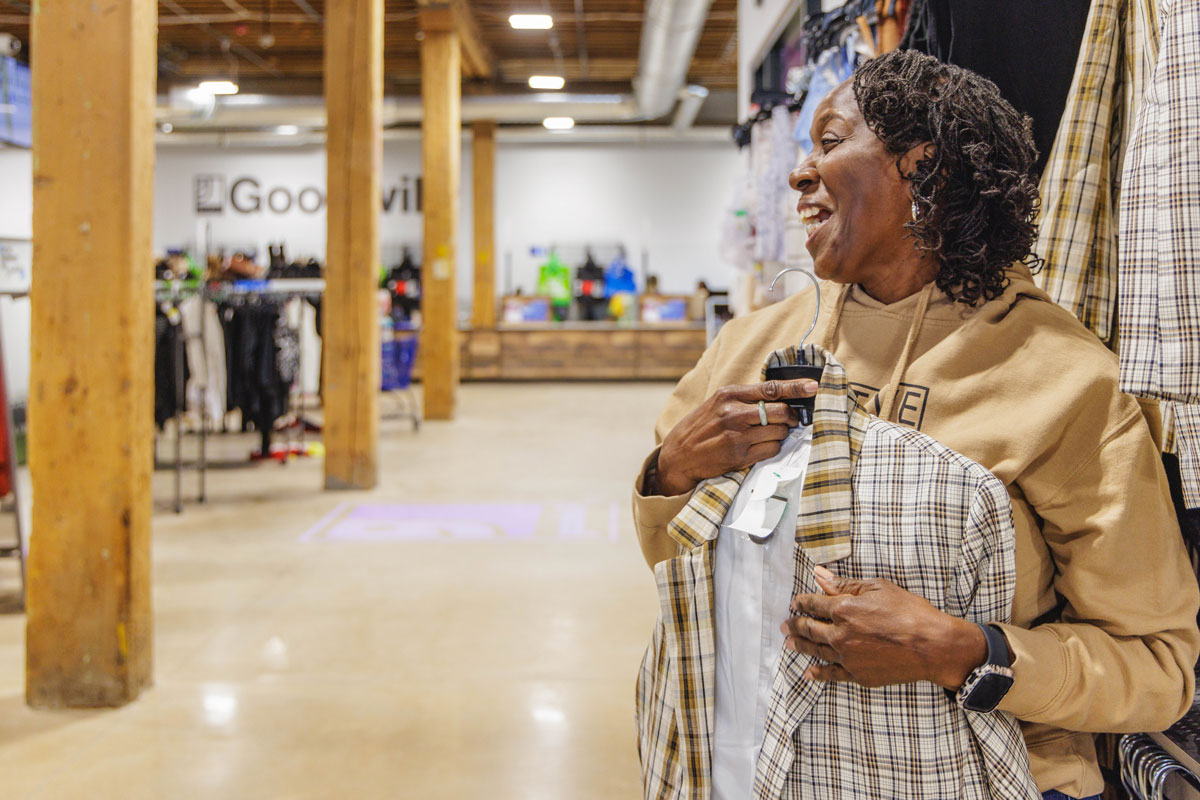
You’re most likely supporting nonprofit and mutual aid organizations.
Shopping at thrift stores like Goodwill supports the nonprofit’s mission, funding community services that help people build skills, find a job and connect to resources like housing, food and transportation. With four locations in Chicago proper alone and 45 plus in surrounding areas, donations come from all over, meaning you can find everything from basics to vintage and designer pieces.
In 2025, purchases and donations helped Goodwill support more than 5,300 people, including connecting over 1,300 people to jobs across Greater Chicago and nearby areas like Natasha and Litzi who found stability through work.
If you’re looking to refresh your wardrobe or home, consider grabbing a friend or neighbor and exploring your local Goodwill. Follow Sarah Hidalgo (@herstoryretold) on Instagram and J’en Mason (@jenrestylefashion) on Instagram and YouTube.
— Olivia Feldman for Goodwill Greater Milwaukee & Chicago
This paid post is produced by Studio 1847, a division of Tribune Publishing Co., on behalf of Goodwill Greater Milwaukee & Chicago. The newsrooms or editorial departments of Tribune Publishing Co. are not involved in the production of this content.