


5 Tips for Creating a Climate-Resilient Backyard Deck
Content oversight provided by Studio 1847
From heavier rainfall and snow to hotter summers, climate extremes are shaping how homeowners design outdoor spaces. Decks — often the centerpiece of backyard living — face constant exposure to sun, rain, snow and humidity, making thoughtful planning essential.
The right materials and design choices can help ensure a deck lasts longer, requires less maintenance and performs reliably in changing conditions. Here are five ways to build a deck designed for durability and long-term performance.
1. Protect the Deck’s Foundation
While homeowners often focus on the deck boards they see, the structure underneath plays a critical role in longevity. Most deck frames are built from pressure-treated wood, and moisture can collect between boards and sit on joists, leading to rot, splitting and deterioration over time.
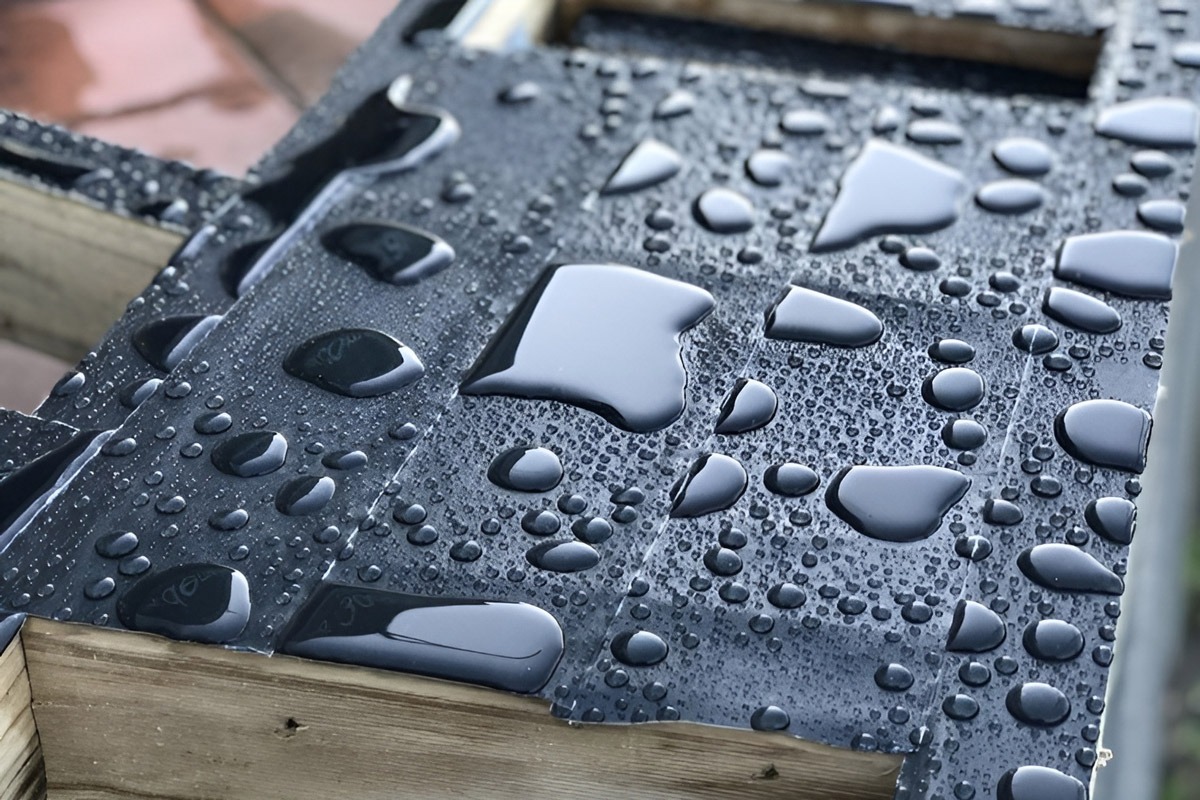
Applying joist tape, such as Trex Protect, over wooden joists and beams creates a barrier that seals around fasteners and helps reduce water intrusion. This simple step can significantly extend the life of the deck’s substructure.
2. Choose Materials Built for the Outdoors
Selecting durable decking materials is another important step in creating a resilient outdoor space. Composite decking is engineered to resist fading, staining and scratching while standing up to rain, sun, wind and snow.
Unlike traditional wood, composite boards won’t splinter and typically require far less maintenance. Pairing weather-resistant decking with a protected substructure creates a system designed to perform in a wide range of climate conditions.
3. Consider Heat and Fire Performance
As summer temperatures rise in many regions, heat management is becoming a bigger factor in deck design. Some composite decking options incorporate heat-mitigating technology that helps keep surfaces cooler under direct sunlight, making decks more comfortable during hot weather.
In wildfire-prone regions, homeowners may also want to look for materials that meet Wildland-Urban Interface standards, which are designed to help resist ignition and flame spread.
4. Manage Rainwater with Under-Deck Drainage
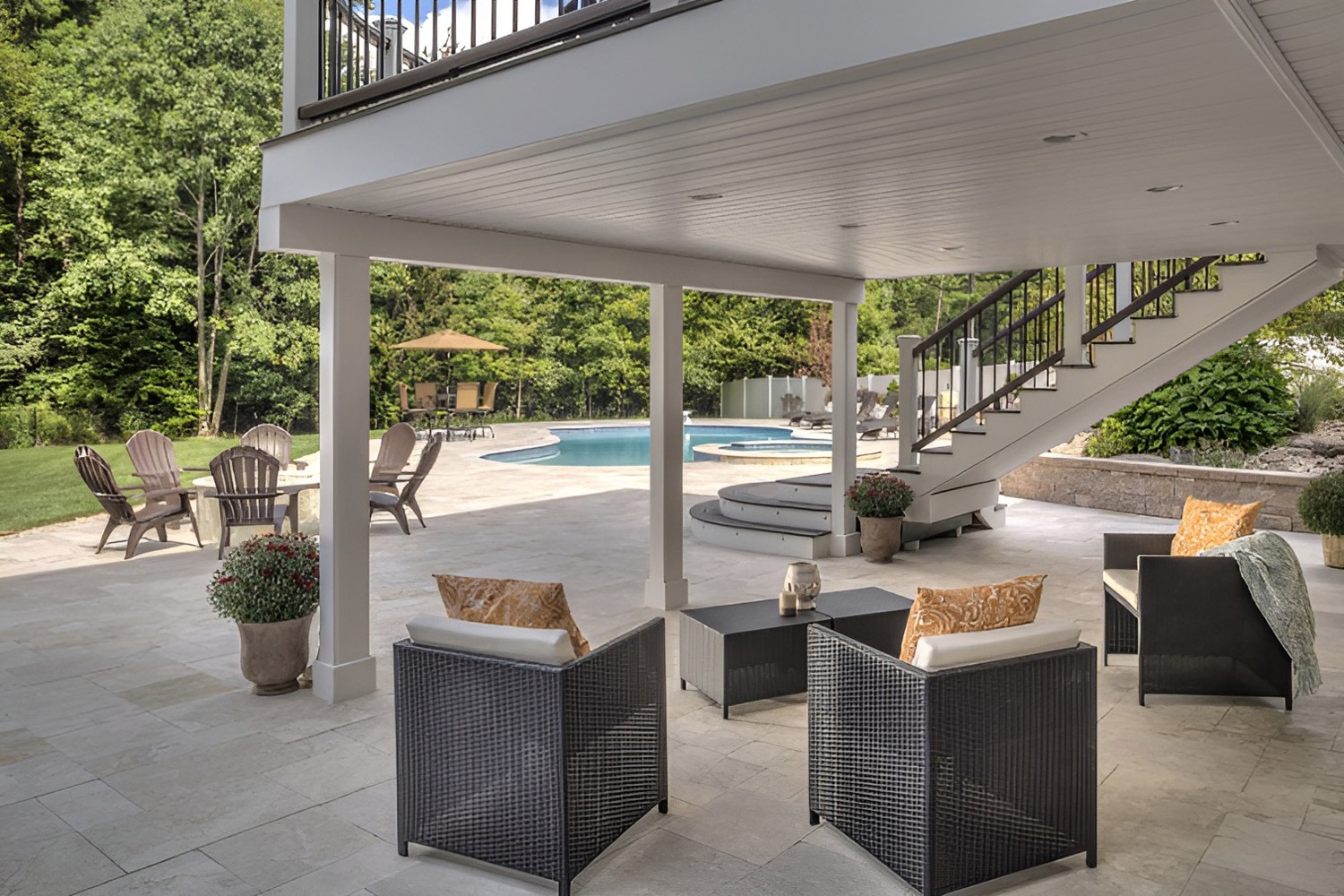
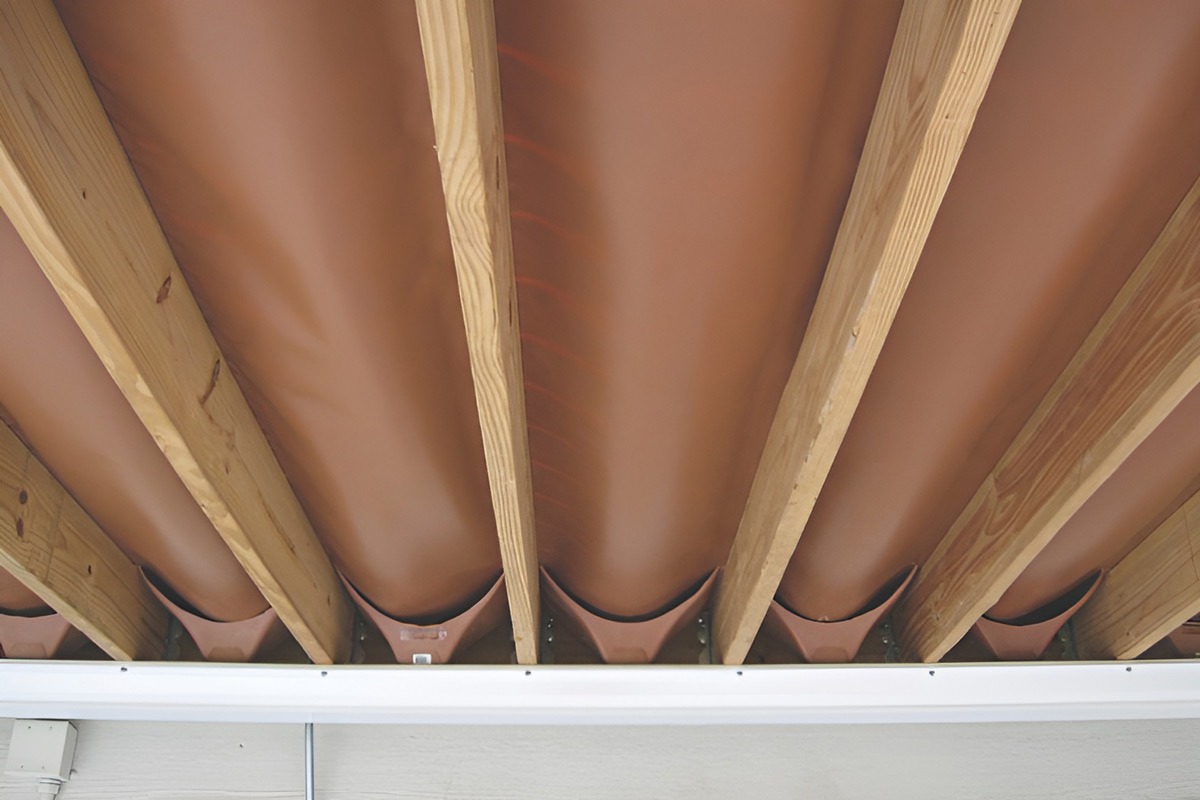
With heavier rain events becoming more common, managing water flow is an important part of building a resilient outdoor space. For a second-story deck, an under-deck drainage system like Trex RainEscape not only diverts water away from the structure but also creates dry, usable space below. Channeling rainwater away from the framing and into a gutter system reduces prolonged moisture exposure and allows homeowners to use the space beneath the deck for a covered patio or additional living area.
5. Build for Long-Term Durability
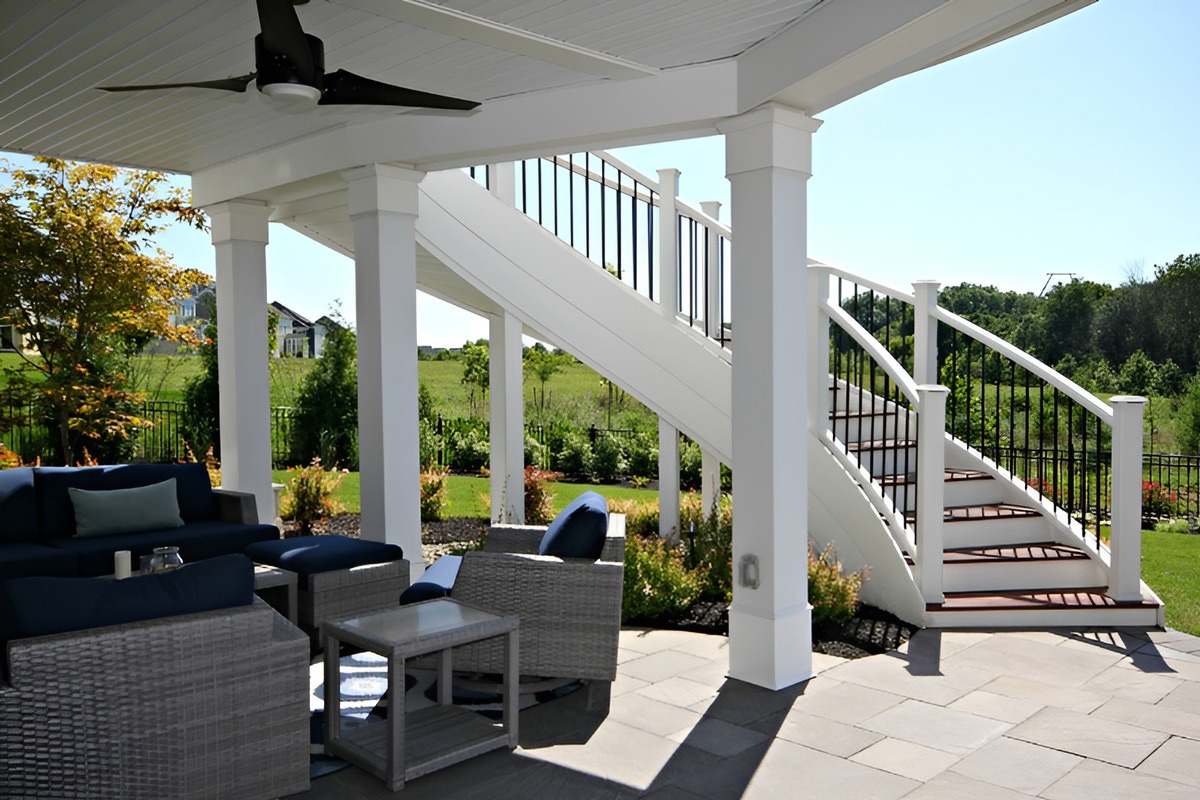
A climate-resilient deck isn’t just about materials, it’s about building a structure designed to last. Choosing corrosion-resistant fasteners, allowing proper board spacing for drainage and expansion, and incorporating ventilation beneath the deck can all help prevent moisture buildup and structural stress over time.
Ensuring durability from the start reduces the likelihood of costly repairs or premature replacement. The result is a deck that not only performs better through changing weather conditions but also represents a more sustainable, long-term investment for homeowners.
For more information, visit TrexRainEscape.com.