


In Illinois, the distinction has little to do with size and everything to do with when and how the governments were set up. Consider Schaumburg, which was incorporated as a village in 1956, when its population was 130. It is now the largest village in Illinois, with nearly 80,000 people. Villages elect six at-large trustees (four if their population is less than 5,000) and a president, who both presides over and sits on the board.
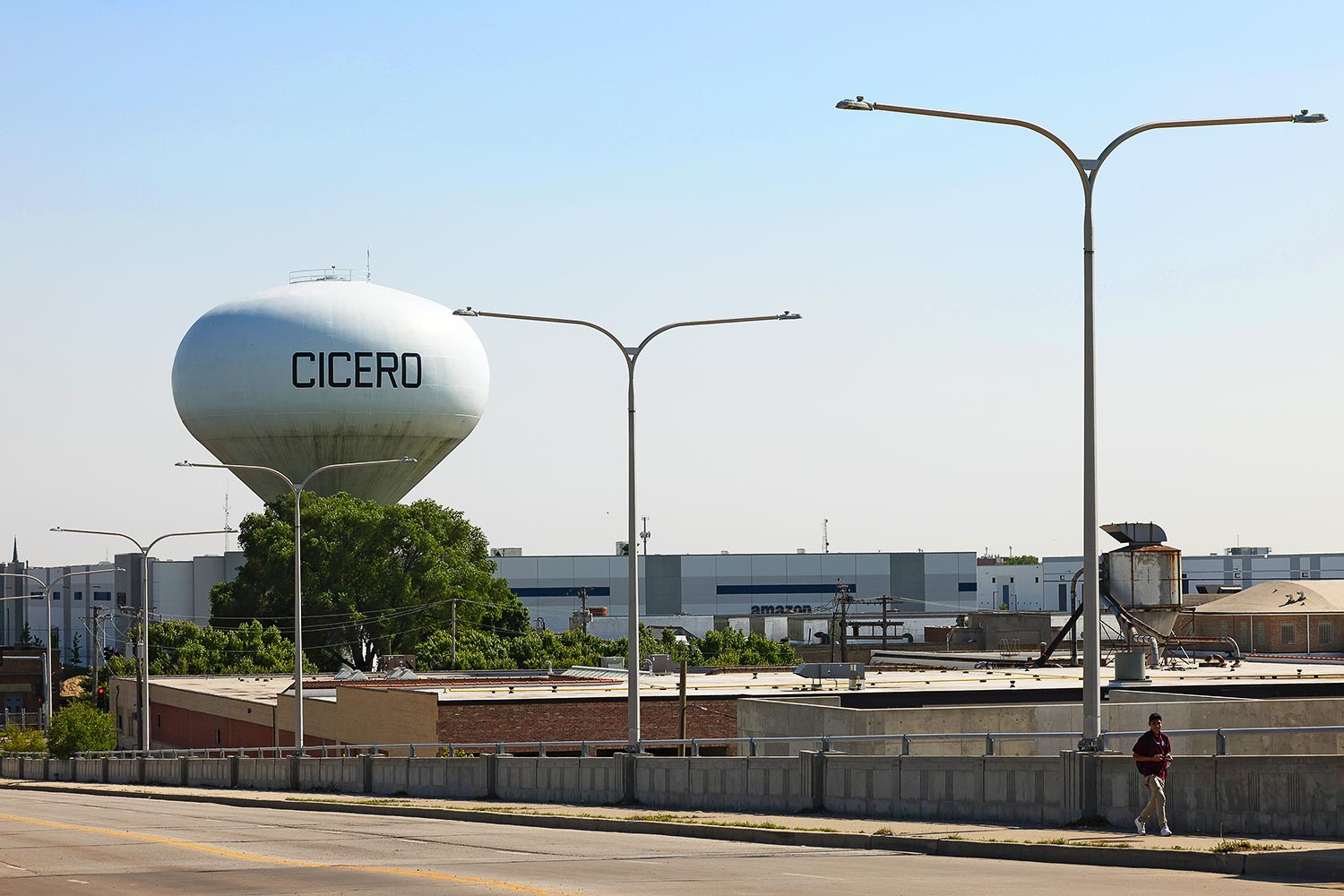
Towns operate similarly but with four trustees. There are technically only 16 towns in Illinois. That’s because the establishment of new ones was eliminated by a state law passed in 1872 in favor of a more standardized system of cities and villages. Existing towns were allowed to keep the designation. Cicero, at 85,000 people, is the largest of these.
As for cities, the key distinction is they are run by alderpersons (there must be at least six), who represent specific wards, and a mayor, who does not vote on the city council except to break ties. Established in 1854, Maroa, in central Illinois, is technically a city, even though it has only 1,577 residents. It elects six alderpersons from three wards, each with a population of about 500 people. Maroa couldn’t become a city today, though, as the minimum population requirement is now 2,500.
Send your questions about the Chicago area to emcclelland@chicagomag.com.