


More than Gardening, Urban Agriculture is an Investment in Resilience
Content oversight provided by Studio 1847
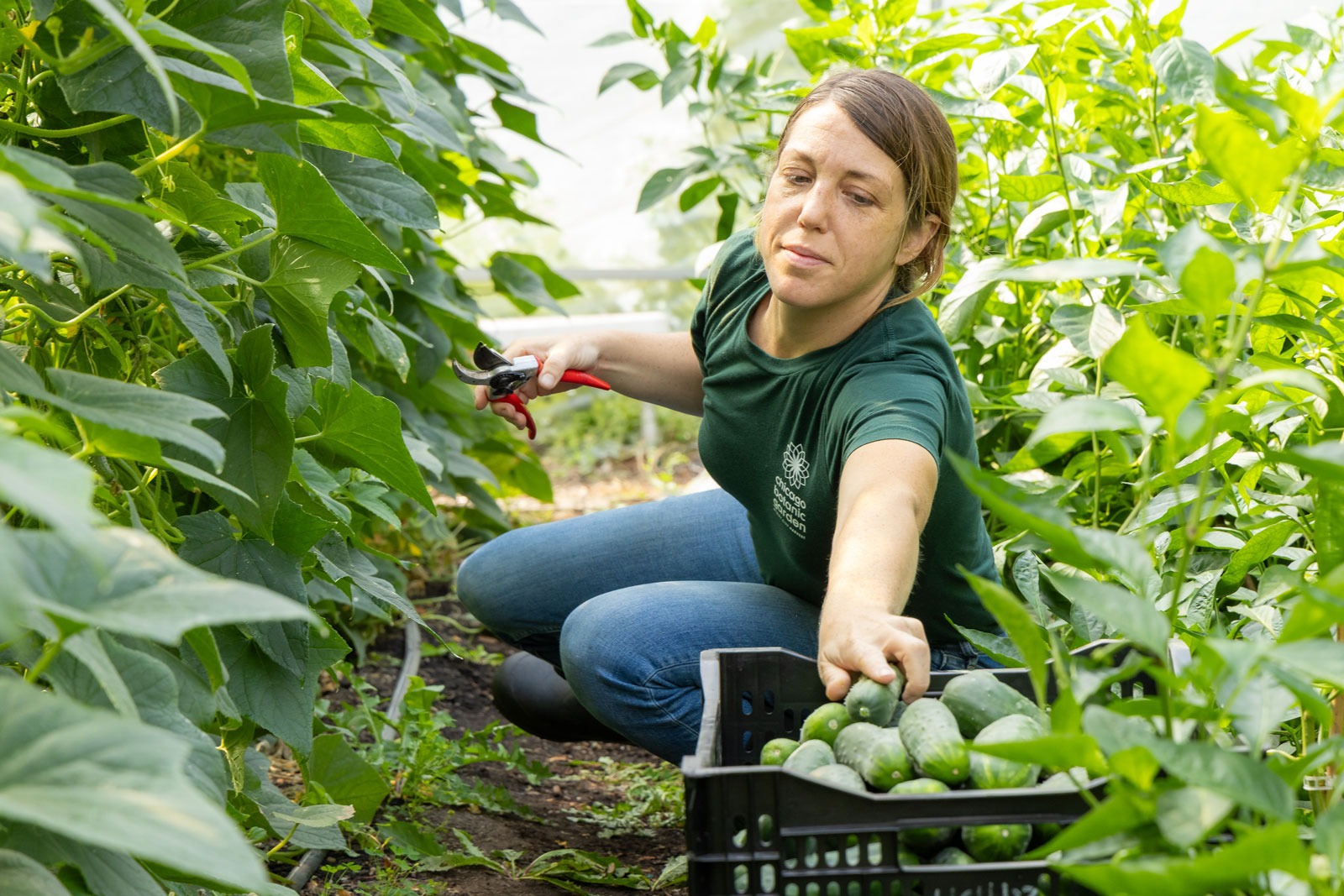
Operating at the intersection of growing food, improving health, and creating job opportunities, Windy City Harvest, the Chicago Botanic Garden’s urban agriculture program, challenges the idea that food access, economic opportunity and community health are separate issues.
What began in 2003 as a single youth farm steadily grew into a broader ecosystem of workforce development and health care provider partnerships, highlighted by the launch of the VeggieRx produce-prescription program in 2016 and the opening of the Farm on Ogden in 2018, which cemented a years-long vision for a community hub.
To understand how this ambitious model works in practice, Windy City Harvest leadership convened a conversation to explore what it takes to cultivate lasting resilience in communities on the West and South Sides of Chicago.
Meet the Voices:
- Sarah Leff, MPH, director of strategy and growth, Windy City Harvest, Chicago Botanic Garden: A strategic leader focused on leveraging partnerships and new revenue opportunities to develop and expand programs aligned with evolving community and local food system needs.
- Britt Calendo, MSW, program director, Windy City Harvest, Chicago Botanic Garden: The on-the-ground force overseeing workforce development programs which guide individuals through hands-on training that transform city lots into productive green spaces while launching sustainable green careers.
- Dr. Wayne Detmer, M.D., chief clinical officer, Lawndale Christian Health Center: A frontline clinician who has witnessed firsthand the profound medical and psychological shifts that occur when access to health and affordable food is treated as a fundamental component of healthcare.
The following conversation has been edited for length and clarity
Q. Urban agriculture is often siloed into separate buckets like jobs, health or land use. Windy City Harvest appears to take a more holistic approach. Why is that?
Sarah: What’s powerful about the Windy City Harvest program model is that we’re creating access to jobs, fresh food, education, entrepreneurship and green space. Those aren’t separate outcomes. They reinforce each other. So, instead of tackling health, economic opportunity and food access as disconnected challenges, this model connects the dots in a way that leads to more sustainable, long-term impact.
“We meet people where they are and provide the tools for them to become leaders in Chicago’s growing food movement.” — Britt Calendo, Windy City Harvest
Britt: Accessible local fresh food and stable employment are essential to healthy communities. Every day, we see this vision come to life through each person who moves through our programs. It’s the Corps member who discovers a passion for horticulture and pivots to a green career, the Apprenticeship student who turns a vacant lot into a productive urban farm business, and the VeggieRx participant who becomes a health advocate for their family and neighbors.
Q. Windy City Harvest is a program of the Chicago Botanic Garden. How does that institutional weight allow you to execute and scale your work?
Britt: We are able to leverage the institutional strength of the Garden to serve as a powerful partner for organizations deeply rooted in Chicago’s South and West Sides. A key example is our collaboration with scientists at the Garden’s Negaunee Institute to establish native seed production at one of our eleven farm sites, Rodeo Farm in Little Village. This partnership allows us to provide trainees with hands-on experience at the intersection of urban agriculture and ecological restoration.
Sarah: Something people often don’t realize is that the Garden’s mission to harness the power of plants to sustain and enrich lives goes beyond maintaining beautiful spaces. It’s about using plants as a tool for social change. The reputation of the Chicago Botanic Garden helps us build and sustain meaningful partnerships and often creates an entry point for collaborations that can grow into something much more transformational.
Q. In many ways, food insecurity is a systemic market failure. How does your work address the root, structural causes of this failure?
Britt: Food insecurity isn’t inherent to communities. It’s the result of long-term disinvestment, especially in communities of color. One of those root causes is economic opportunity. Our workforce development programs create pathways to employment and entrepreneurship in food and agriculture. That’s about more than jobs. It’s stability and the potential to build generational wealth. When people have access to steady income and opportunity, it shifts the baseline.
Q. Lawndale Christian Health Center is one of Windy City Harvest’s community health partners. Dr. Detmer, how do these two organizations work together?
Dr. Detmer: This partnership combines the strengths of both organizations in ways that neither could accomplish alone. Chronic disease accounts for nearly half of the life expectancy gap between black and white Chicagoans. VeggieRx treats access to healthy food with the same seriousness that medicine has long reserved for pharmaceuticals.
Q. Speaking of “food as medicine,” we hear that phrase often, but you see it in practice. When a resident or patient engages with the VeggieRx program, what concrete changes do you witness on the ground?
Dr. Detmer: What strikes us as clinicians are the quiet changes that follow when people are given consistent access to food that is both healthy and affordable: Patients achieved a sustained six-pound weight loss, started cooking differently and spoke about their health as though it belonged to them again.
“Last year, the VeggieRx program delivered more than 27,000 boxes, prescribed by over 100 Lawndale Christian Health Center clinicians.”— Dr. Wayne Detmer, Lawndale Christian Health Center
In a community that has endured decades of disinvestment, people are finding their way back to one another at places like the Garden’s Windy City Harvest Farm on Ogden in North Lawndale — gathering not out of crisis but out of a desire to provide for their families and improve their wellbeing.
Q. VeggieRx is not a traditional food assistance program, which can sometimes feel like a transactional charity. Can you talk about the program’s efforts to establish a different dynamic?
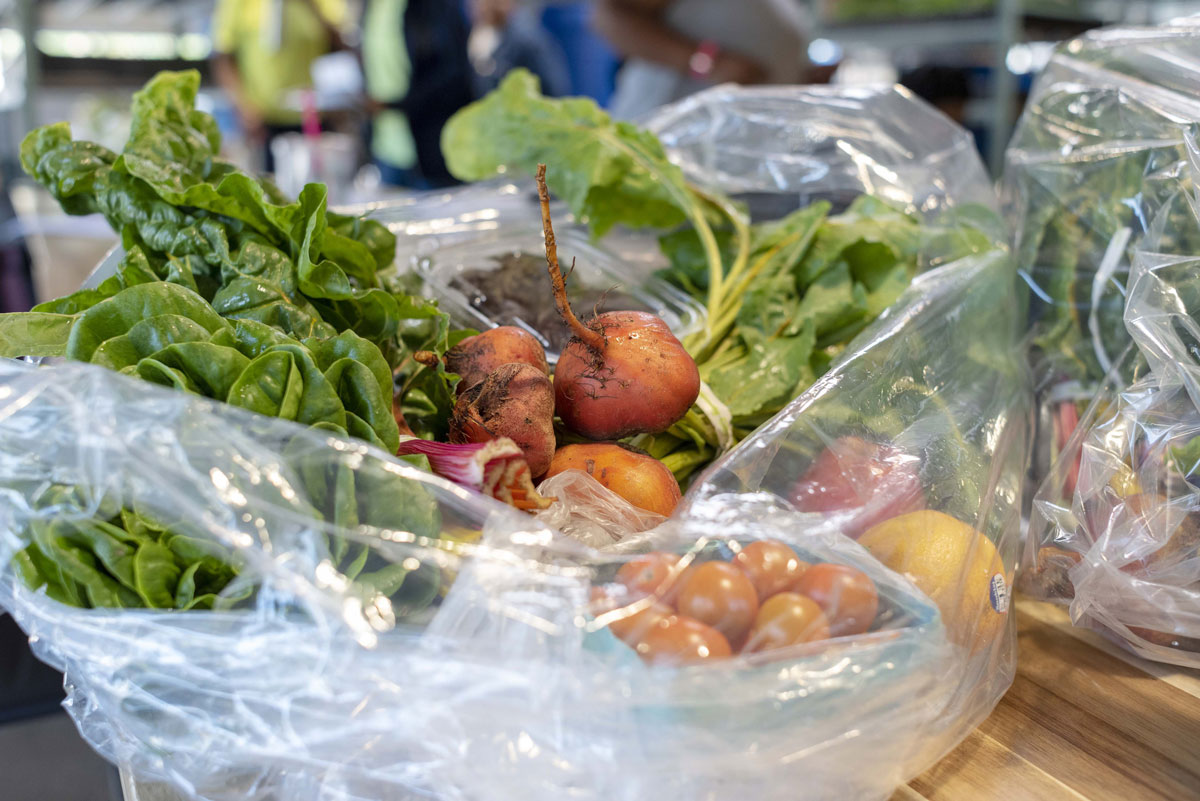
Sarah: Last year, our VeggieRx program piloted a new model called “My Choice.” The goal was to move away from a transactional experience and center it around dignity, autonomy and trust. Participants who choose to enroll receive a weekly voucher and shop at our Farm on Ogden Market, choosing the fruits and vegetables that make sense for their households, their cultures and what they actually want to eat.
That shift — from being handed a prepacked box of produce to picking it out yourself — really changes the experience.
Q. Beyond the food produced, what does the physical transformation of dormant city land into urban farms mean for the surrounding neighborhood?
Britt: It’s a visible signal that these neighborhoods are worth investing in. What was once empty or underutilized becomes something productive and welcoming. That shift creates a different sense of possibility. It’s very tangible. It gets people asking questions and, often, thinking about growing their own food. There’s also a real psychological impact. Green, well-maintained spaces can increase feelings of safety, reduce stress and it changes how people experience their environment day to day, not just how they access food.
Q. You are actively training food systems operators from the communities you serve. Can you share the story of a graduate? What are they building now, and why is their lived experience vital to the program’s success?
Britt: A strong example of a participant whose career pathway has been supported by Windy City Harvest is an individual who entered the Apprenticeship program as a beginning farmer and is now running their own farm business growing culturally meaningful crops. With support from a land access partner, they are expanding their operation onto a larger property and working toward long-term land ownership.
Q. Fast forward ten years. If this holistic urban agriculture model is fully scaled across the city, what does a truly resilient and healthy Chicago look like?
Sarah: Success looks like moving well beyond basic needs being met. It looks like a Chicago where people have consistent access to fresh, healthy food and the economic opportunities to truly thrive. It also means neighborhoods where this kind of infrastructure is part of the fabric — where growing, distributing and accessing food locally is the norm.
Q. While advocating for more public investment in these programs, you also recognize philanthropy as a vital resource. For a Garden member or any current or future donor reading this, how should they view their financial contribution?
Sarah: I see this work as a civic utility. We’re building the kind of infrastructure and programming that communities need to truly thrive. At the same time, we’re one piece of a much larger ecosystem. That’s why partnership is so central to how we operate. A contribution isn’t just a charitable gift. It’s an investment in building and sustaining the systems that make long-term change possible.
Discover how you can be a part of a more sustainable community and learn more about the programs at Chicago Botanic Garden’s Windy City Harvest.
— Jessica Chesler for Chicago Botanic Garden