


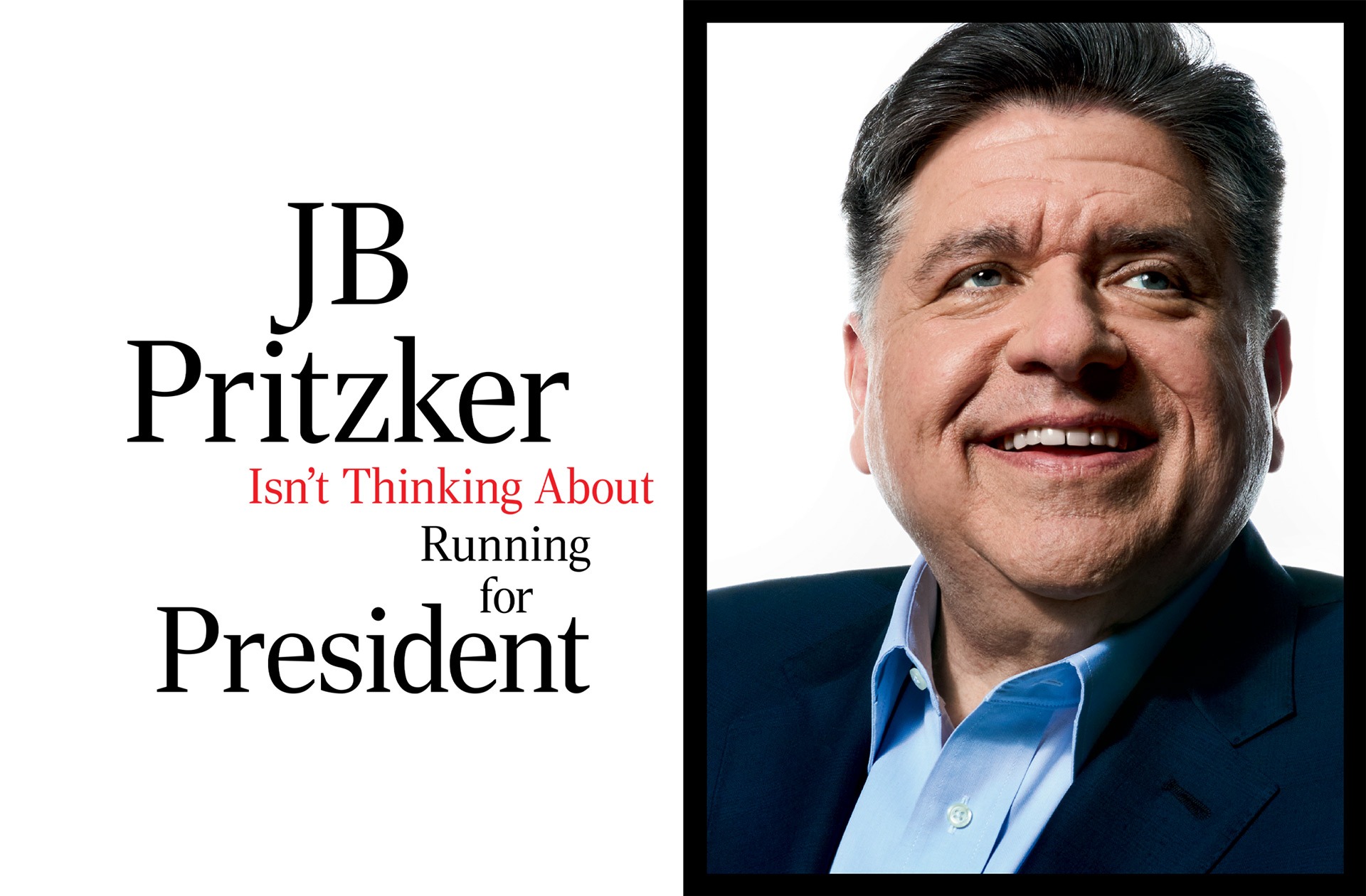
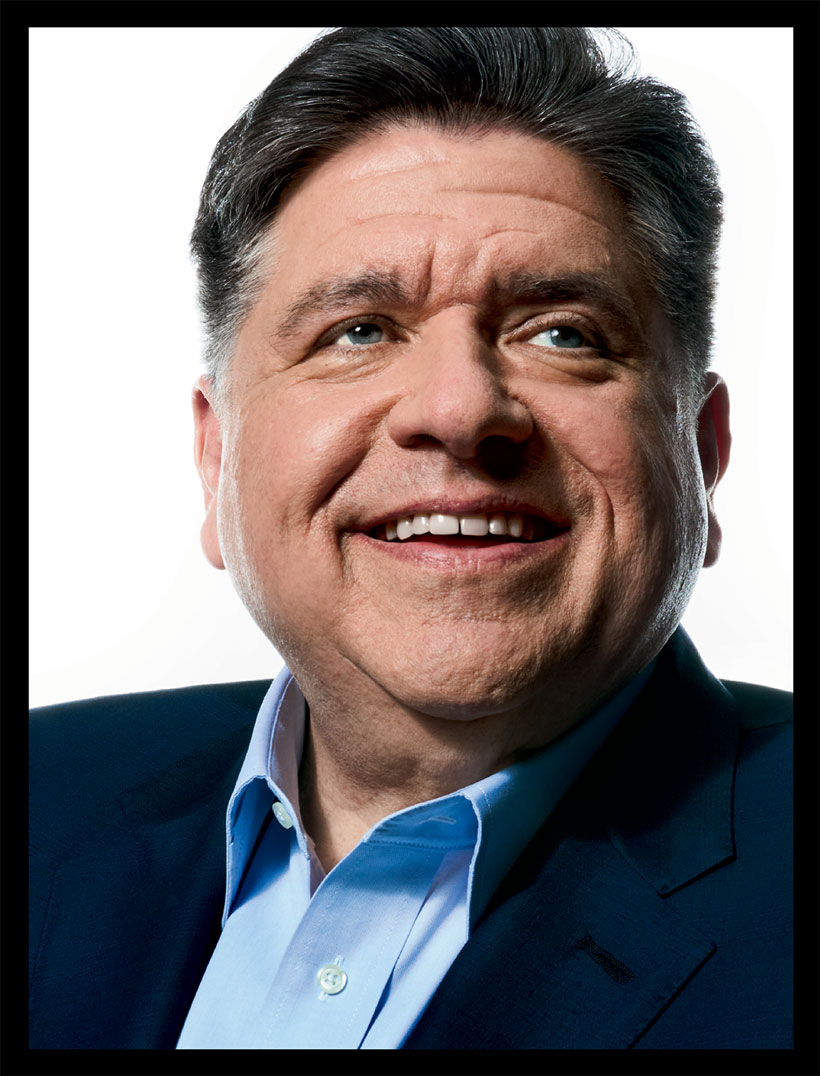
JB Pritzker’s tooth has just fallen out. Or more accurately, his tooth cap. He is giving a speech at the Chicago Consular Corps General Assembly in late March, and as the program moves into questions from the audience, it’s still business as usual, crooked smile notwithstanding. “Good news, it didn’t really hurt,” Pritzker tells me later, after an emergency visit to the dentist forces us to reschedule the second of our two interviews. “The bad news was, I looked like I was out of a movie about Arkansas in 1920.”
Pritzker is affable and self-deprecating by nature. In his nearly two terms as governor, he has learned how to weather the rigors of the job: the milestones as well as the missteps. Over the last 18 months, he has stepped onto the national stage as a leading voice against the Trump administration, including likening the start of President Donald Trump’s second term to Nazi Germany — a comparison, he says, that he did not make lightly. Since then, he has used his power and pulpit as governor to become a persistent thorn in the administration’s side. It has won him plenty of admirers, but it has also put him in the crosshairs of Trump, who has blasted him for Chicago’s crime and its handling of immigration enforcement and has even threatened him with prosecution.
Despite the pressure, Pritzker hasn’t backed down. Even as he runs for a third term as governor, his combative stance has fueled speculation about a White House run in 2028. Pritzker’s response when I press him? “It’s not something that’s occupying my psyche.” (Believe him if you choose.)
In his own words, here’s how Pritzker characterizes his fight with the Trump administration and the triumphs and tragedies that have brought him to this point. It’s a story as personal as it is political.
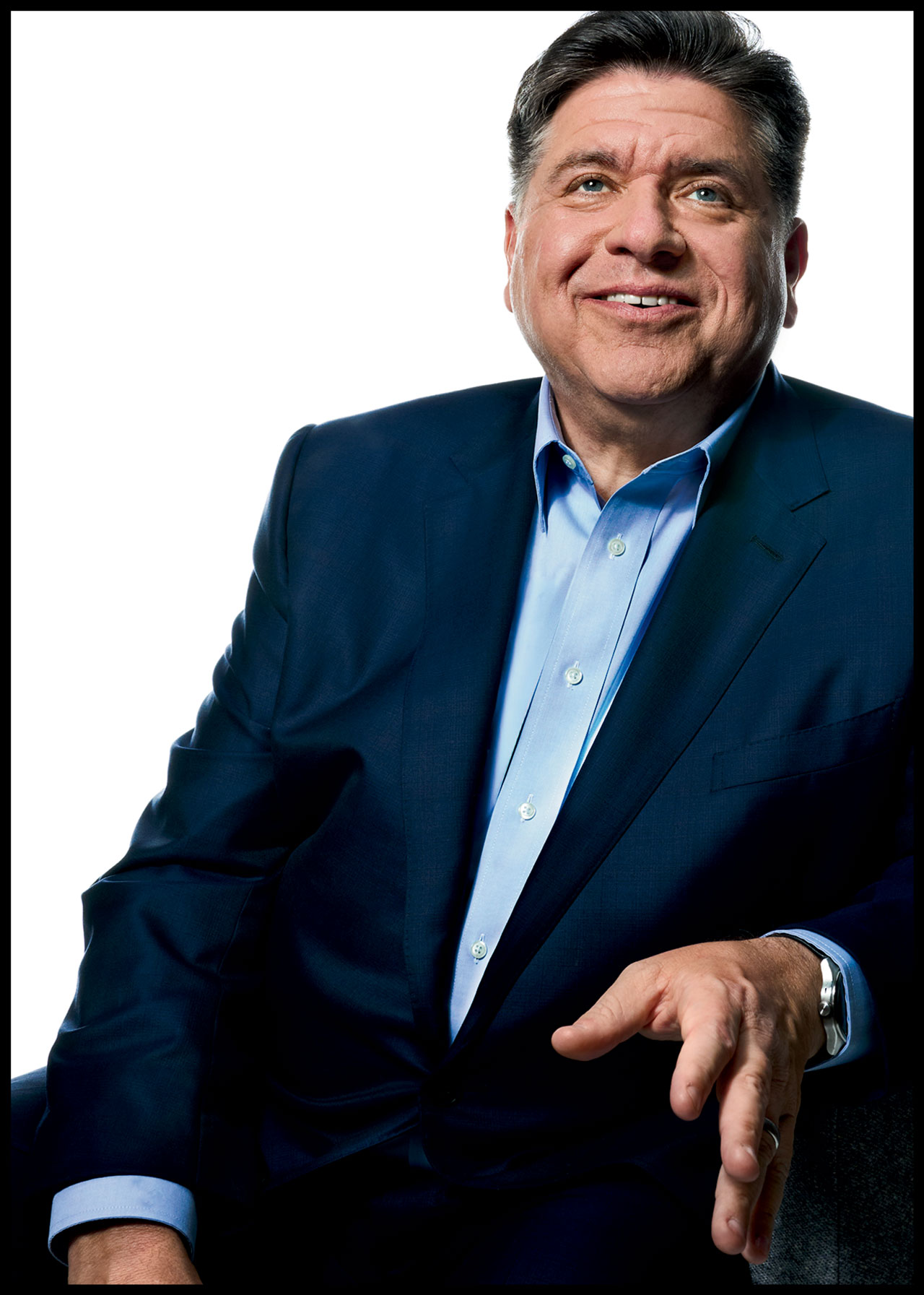
They say punch a bully in the nose. Because in the end, the bullies will back down. If they think that they can’t bully you, they’ll move on. I know that there are people who are acquiescing or giving in as Trump attacks them. I’m not that person and I never have been.
For people who are making fun of my weight, it is clear that they can’t find anything better to attack me with. So they just go on appearance. It is the last refuge of the idiots.
If I was agreeing with Trump, he probably wouldn’t say anything about my weight. It’s like the bully on the playground, right? He wants to make friends with people around him, and so he targets somebody.
I think we all were bullied as kids at some point. I was actually a year younger than all the kids in my class, so I was smaller. And I hit puberty a bit later than others, so it all sort of piled on itself, not to mention that I was overweight. So add all those things up and you can imagine there are some kids who treat you badly. You have to learn to deal with that in your life.
Running for president is something other people, probably on some prediction markets, would contemplate. All I can say is it’s not something that’s occupying my psyche. It’s flattering that people have talked about me in the same conversation they’re talking about others.
It has to be possible to repair the country. I don’t know anybody who would want to be in public service if you didn’t think we can repair things.
We need a restoration of sanity and a return of kindness and empathy in governing. We’ve now seen what someone who lacks moral character can do that’s so damaging. So let’s start with somebody who’s got good intentions and has demonstrated that throughout their life. It isn’t about winning. Democracy can be torn apart by someone who is not dedicated to its principles.
Too much time got wasted by Democrats when we were in control. We should move swiftly in 2029 and boldly to refocus on working families and the most vulnerable, the middle class, and to swiftly enact universal health care, to swiftly enact hiking the minimum wage, and think more broadly about how we make people’s lives easier. We can no longer move incrementally.
People can’t afford to go on vacation anymore. Average families can’t afford to go anywhere. Nobody’s going to be like, “Here’s a new federal program to provide vacations.” But if you make it so that people can earn enough money to have a life beyond just subsistence, that really matters, and that should be part of the policymaking.
Behind the scenes of our June/July cover shoot with JB Pritzker
Videography: Charles Bouril
I was first elected governor when Trump was in his first term. Zohran Mamdani just got elected. He has not experienced the things that I have with Donald Trump. Donald Trump doesn’t live up to any of his promises. He’s not trustworthy. So you can’t make a deal with Donald Trump. He’s very transactional. He just won’t live up to his end of the bargain.
At the beginning of the pandemic, we needed masks and we needed ventilators. I called the president and I asked him for help. I was asked in return to go on television to say wonderful things about him. And I agreed to do that because I needed that to save lives in my state. But you know what? He didn’t deliver on his promise.
I think about my parents all the time. My father’s passing when I was 7 was very hard. It was probably harder for my brother and sister, who were four and five years older than me. But we all knew our mother loved us, even if she struggled. We had each other.
My mother is kind of a tragic story of a hero — all the things that were going against her. She became a widow with three young children. That by itself is incredibly difficult. Add to that she had a disease of alcoholism. She knew it, and she fought it hard and succumbed sometimes and overcame it at other times. But as anybody who’s been an alcoholic knows, you never really overcome it. You’re fighting it every day. We had resources, so she could afford to take time to go to AA meetings or to check herself into a rehab center. My parents taught us empathy, but I also think living through my mother’s struggles taught me empathy in real time.
I had to grow up fast. My brother was at boarding school. My sister was off at college. There were times when my mother, because she was drunk, would slip and fall and hurt herself. Or she’d be smoking a cigarette in her bed, drunk. I knew that if she fell asleep, she could burn herself or burn the house down. When you’re 10 or 11 or 12 years old, you already have this idea that you need to be responsible, that you have to call 911, that you have to go to the hospital with your mother and make sure she’s going to be OK. You learn to take responsibility on your shoulders.
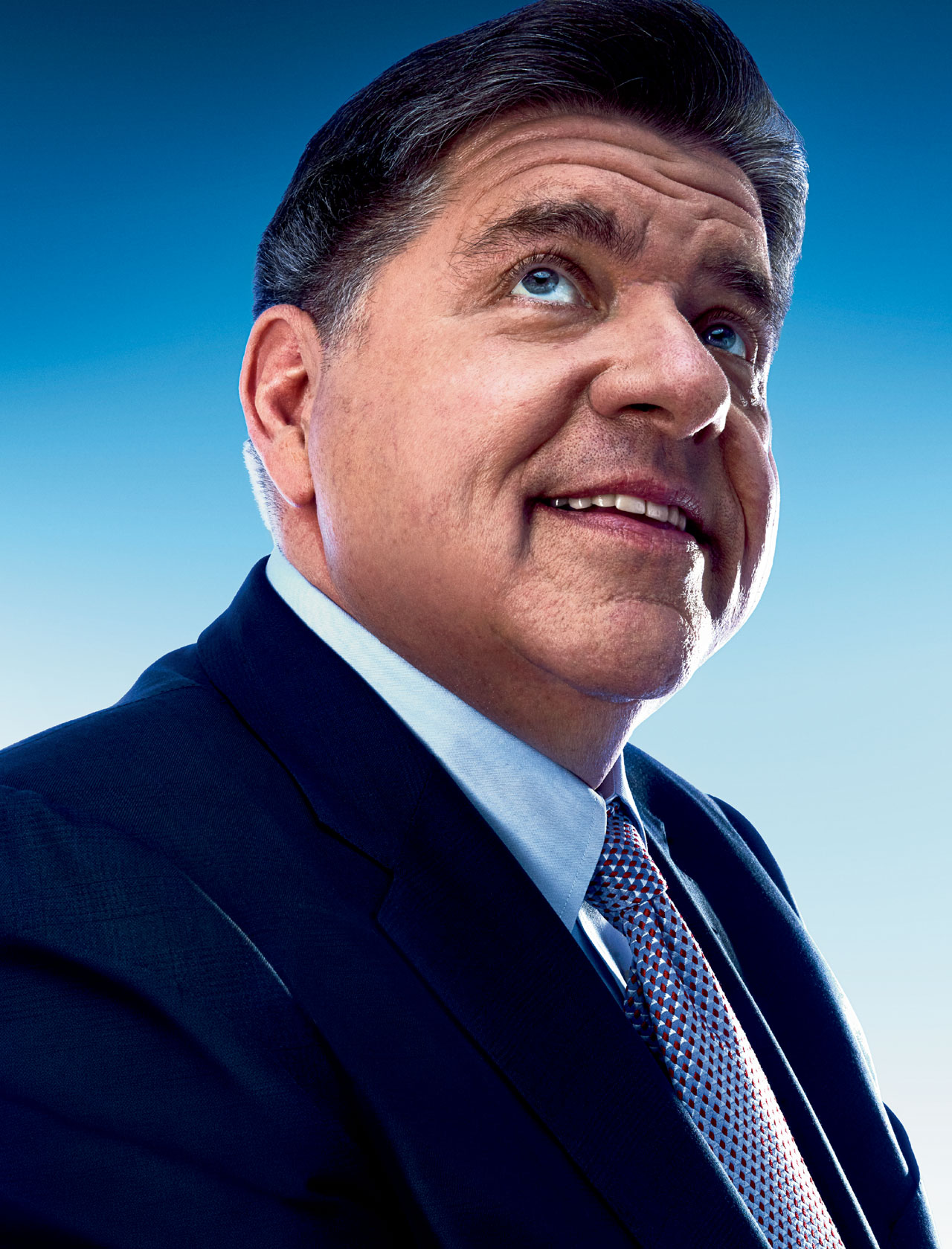
The day I found out my mother had died, I was doing my high school senior project. I was 17 and at boarding school in Massachusetts, because of the challenges my mother had when I was going into high school. I was going to be alone at home, and I think everybody in my family felt that wasn’t going to be good. She passed away in early May. My brother and sister called where I was working in Cambridge and got me on the phone and told me. I remember them saying, “You should leave work, go get your stuff back at school, and we’ll arrange a ticket to get on a flight.” It was a bit of a blur after that. It was like you’re just trying to function, put your stuff together, do what you have to do.
In the Jewish tradition, we sit shiva. We didn’t have a home to do that in, but a friend offered theirs. I remember the strange feeling of all these people coming in. I remember there were square tiles, and I was standing on a square tile as people came through the door. I stood there for what seemed like an eternity. People were expressing their condolences to me and how sad they were about my mother’s passing. And it was almost like I was consoling them. After 45 minutes, maybe an hour, of this, I felt like I couldn’t do it anymore — just standing there and having people come up to me, one by one. So I retreated. My brother and sister had already left, and I found them in another room. That’s my memory of the 48 hours after I found out my mother had passed away — realizing, It’s just us now.
I don’t know whether to call it a silver lining or a blessing in disguise or something else, but when I think back on it — I’m 61 years old now — at a young age I could take care of myself and didn’t need to lean on a lot of other people. You learn to be independent and to stand your ground and stand on your own two feet.
The first state trooper funeral I spoke at, he had left behind his wife, who was pregnant, and a young daughter. I’m sure his daughter didn’t understand everything that was happening. But in my eulogy, I wanted to speak to her about losing your father and what that had meant to me. How over the years, you come to think about your father, and no longer does sadness overcome you, but rather you get this feeling of remembering what a good person they were — the positive impact they left on you, on the world.
I wanted raising the minimum wage to be the first bill I got passed as governor, and one month into office, the legislature did it. The day I signed the bill, I was surrounded by folks who were going to be directly impacted by getting a raise, mostly women. I called my wife afterwards and said we just lifted maybe a million people out of poverty, people who were earning $17,000 a year and were now going to earn $31,000 a year. The idea that with one stroke of a pen we could do that shows you the power of the office and our ability to do real good for people.
I sign an average of 500 bills a year, but that first one was a bit nerve-racking. Do I sign with one pen? Do I sign with 10 pens? What are people looking for when I’m signing? Everybody’s watching every movement.
I have gambled. I would not describe myself as a gambling man.
One of my worst days as governor was the Highland Park massacre. Years ago, long before I was governor, we could have banned assault weapons in Illinois and didn’t do it. And then 48 people were shot and seven died on a single day, on a joyous and happy day like the Fourth of July.
I went to Highland Park to see where the shooter had positioned himself. I learned more about the circumstances of that particular shooter and his family and what kind of weapons had been used. My anger grew throughout the day and frankly didn’t subside until I signed the bill that banned assault weapons.
Yesterday I went to the funeral of Sam Harris, a Holocaust survivor. He was 90 years old, and he was one of the leaders who built the Illinois Holocaust Museum. One of the things that survivors often talk about is that it took so long for people to realize how bad it was in Nazi Germany. Before the actual Holocaust, there were a whole lot of authoritarian moves that the Nazi Party made, that the government of Germany made, that average, everyday folks just didn’t pay attention to.
I sat next to Holocaust survivors for 10 years building the Holocaust museum. They really ingrained in me the idea that you have to stand up and speak out. Because if you don’t do it early enough and if you don’t do it hard enough, the authoritarians gain power every day. I’m not suggesting this is the Holocaust, but I am suggesting that the lesson is don’t let this go on. Do not let them have their way. Stand up, speak out, push back as early as possible. I wish more people were doing it.
Has it felt difficult to push back? Sure. I’m being threatened with jail by the president of the United States.