


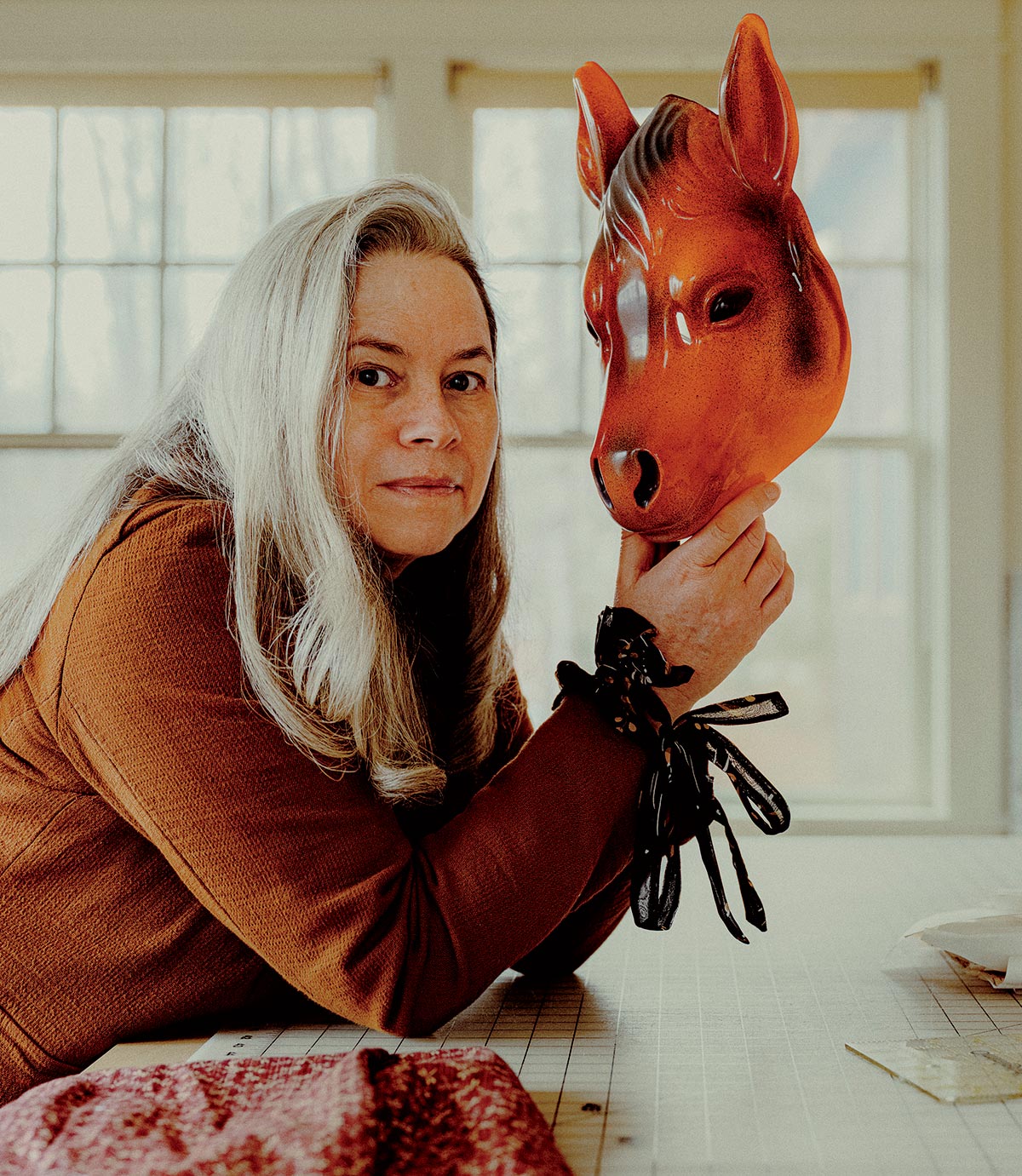
When Natalie Merchant takes the stage at Symphony Center this month, many of the preschoolers in the audience will already know the lyrics to her songs. Not the ones their parents may remember — like her 1995 hit “Wonder” — but tunes from a new marvel: Cabinet of Wonder, an expansive multimedia arts and education project kicking off in Chicago. In songs and videos developed with Chicago Children’s Theatre and the Chicago Symphony Orchestra, Merchant expands nursery rhymes into a classroom-ready curriculum. And with a pair of May 9 concerts, it all comes to life onstage.
The project debuted last November with the launch of a digital platform for educators and families. The site features 17 original songs recorded with musicians from the CSO, shadow puppetry by Manual Cinema, music videos starring local children, and classroom activities for young students. It’s designed to be a national-scale arts resource, providing free materials that teachers and families anywhere can use.
The Wonder seeds were planted while Merchant was volunteering in a Head Start preschool classroom near her home in upstate New York in 2017. “I saw incredibly beautiful, creative children — and a lack of arts programming and opportunities for them to experience live music or movement,” says the singer-songwriter, who first drew acclaim in the 1980s fronting the band 10,000 Maniacs. What Merchant intended as a short, weekly commitment quickly grew into something larger: “Within two months, I was working three days a week, eight hours a day. And when I wasn’t there, I was home making costumes, because I just fell in love with the kids.”
With her own musicians, props, and regalia in tow, she built lessons around classic nursery rhymes. Even in an age of flashy preschool entertainment, she notes, the “delightful language and absurd imagery” of centuries-old verses proved to be powerful tools for engaging young students. Over three years, the visits evolved into a full creative program, and Merchant realized the idea could reach far beyond a single classroom.
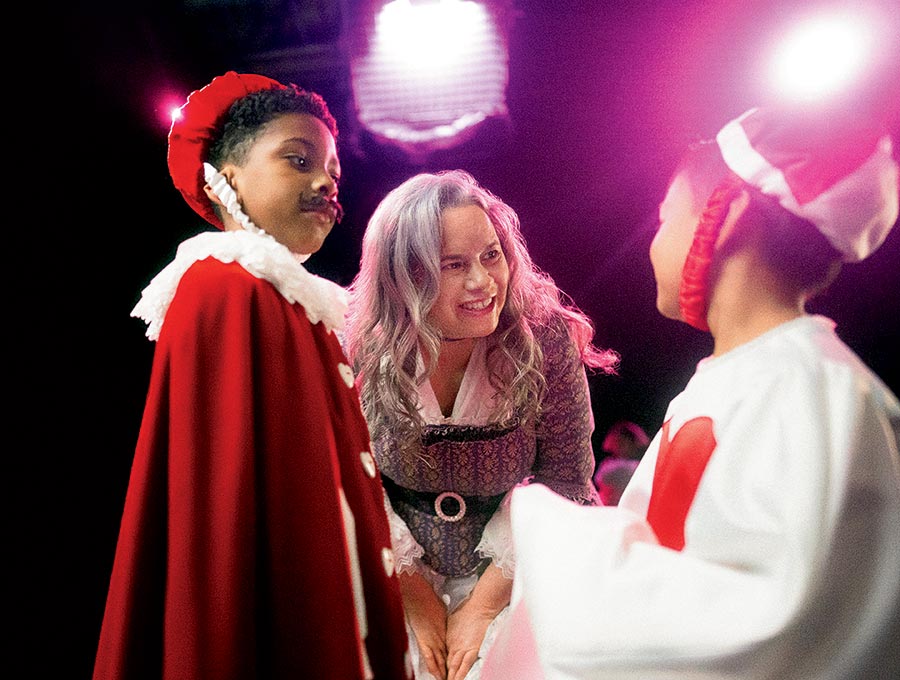
After the pandemic, she visited Chicago and shared her creation with longtime friend Jacqueline Russell, cofounder and artistic director of Chicago Children’s Theatre, who immediately saw the possibilities. “It was this beautiful treasure,” Russell recalls — one that dovetailed with CCT’s desire to expand educational programming. “We’ve been trying to develop a curriculum for schools and teachers that would continue a lot of what we bring into the classroom without us being in the classroom.”
Russell began envisioning how Merchant’s initiative could grow. She reached out to Jonathan McCormick, managing director of the Negaunee Music Institute, CSO’s community engagement arm; the two organizations have a long-standing partnership through the preschool concert series Once Upon a Symphony. Soon CSO musicians were on board to record Merchant’s songs. Russell then tapped into her expansive network of local artists and cultural institutions, and the idea bloomed into a distinctly Chicago collaboration. “Chicagoans love big ideas, and they love innovation and invention. This project matches the spirit of the city,” Russell says. It’s being piloted across a dozen Chicago public schools, with CCT teaching artists and CSO musicians visiting 42 pre-K and kindergarten classrooms throughout the year. New York City schools are on deck for next year.
Each of the ditties at the center of Cabinet of Wonder focus on a nursery rhyme character — Humpty Dumpty, the Queen of Hearts, Peter Pumpkin Eater — along with an instrument and a distinct musical style, from brass ensembles to folksy strings. For McCormick, hearing the musicians perform the songs revealed the scope of Merchant’s creation: an opportunity for children “to meet all the instruments of the orchestra, to sing along, to feel connected.”
Says Merchant: “Imagine being 4 years old, going to your first symphonic concert, and you know every song and every word. Ten years from now, these kids are going to find each other and say, ‘Do you remember that?’ ”