


I think about sushi the way I do about wine. A few times a year, I’ll splurge far beyond my budget. More often than I like to admit, I’ll settle for the least worst choice from a supermarket. Yet it’s the in-between I’m always looking for, the mid-priced option that opens up to a larger world of flavor.
Wine? Easy: Thousands of excellent, affordable bottles from Croatia to California fill local shelves. Sushi? Oof: Chicago sushi bars these days mostly divide between hushed top-dollar venues for omakase and the goofy roll spots where flabby Atlantic salmon plays second fiddle to cream cheese and crunch.
That’s why I’ve long appreciated Andrew Choi, a young restaurateur who commits himself to providing premium sushi while nailing a price-to-quality ratio that lands the check for two around the cost of a pair of designer sneakers. Alongside chef Patrick Bouaphanh, Choi ran Jinsei Motto inside the West Loop’s CH Distillery for several years. They had a good omakase, yet it was the à la carte menu that earned my loyalty because it allowed diners to create meals of goldeneye snapper, Spanish mackerel, and other fish elsewhere reserved for expensive blowouts. No, it wasn’t the opulent experience of Kyoten or Omakase Yume, but it was akin to a decent sushi bar in Osaka or Los Angeles.
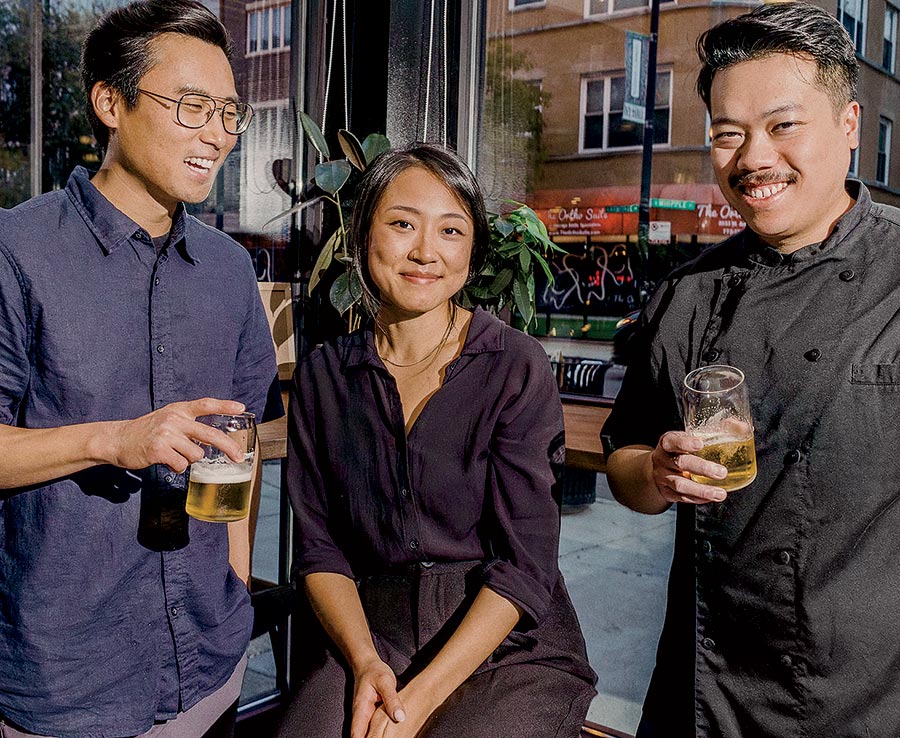
Choi now brings this approach to Omakase Box, which he opened in late July in Logan Square with sushi chef Timmy Chen and house manager Jane Yim, both of whom he met while working at Sushi Dokku in the West Loop. The three began with an idea that almost seemed a dare: Could they craft a quality omakase experience for less than $100? They priced a 15-course menu at $98 and opened the restaurant to a receptive audience.
Since then the 10-seat chef’s counter has become one of the toughest reservations in town. Nowhere else can you sample so many types of wild and responsibly farm-raised Pacific fish, each presented with a thoughtful garnish atop warm seasoned rice. A few small plates, both hot and cold, give the meal some structure, and a few luxuries give it pizzazz. Boss-level omakase unlocked.
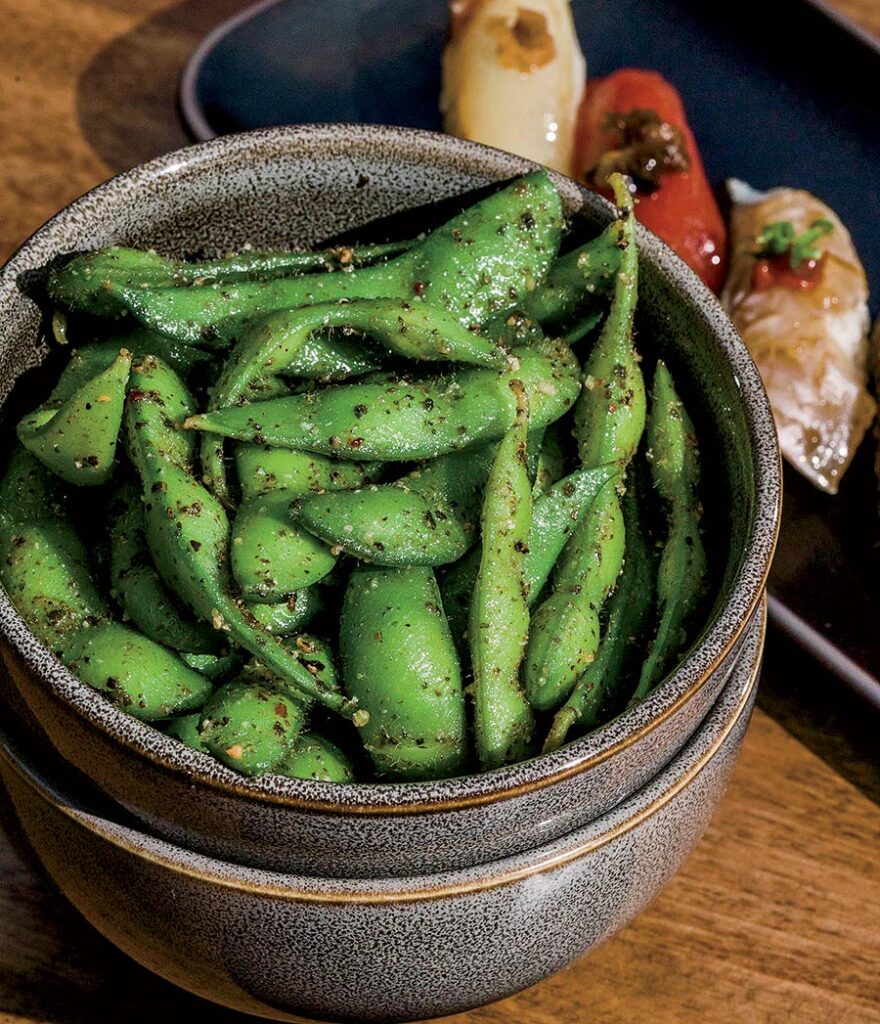
Here’s the thing, though: You don’t have to order the whole shebang. If you sit in the dining room, you can choose almost any fish you want, along with a small selection of appetizers to start and handrolls to finish. This is where you’ll find my crew, kicking things off with the best edamame in Chicago. These fuzzy soybean pods arrive hot, glossed in garlicky oil, and umami-ed up with furikake. Bluefin tuna tartare with puffed rice chips is tasty, but you don’t want too many distractions before the main event: This menu is all about the nigiri.
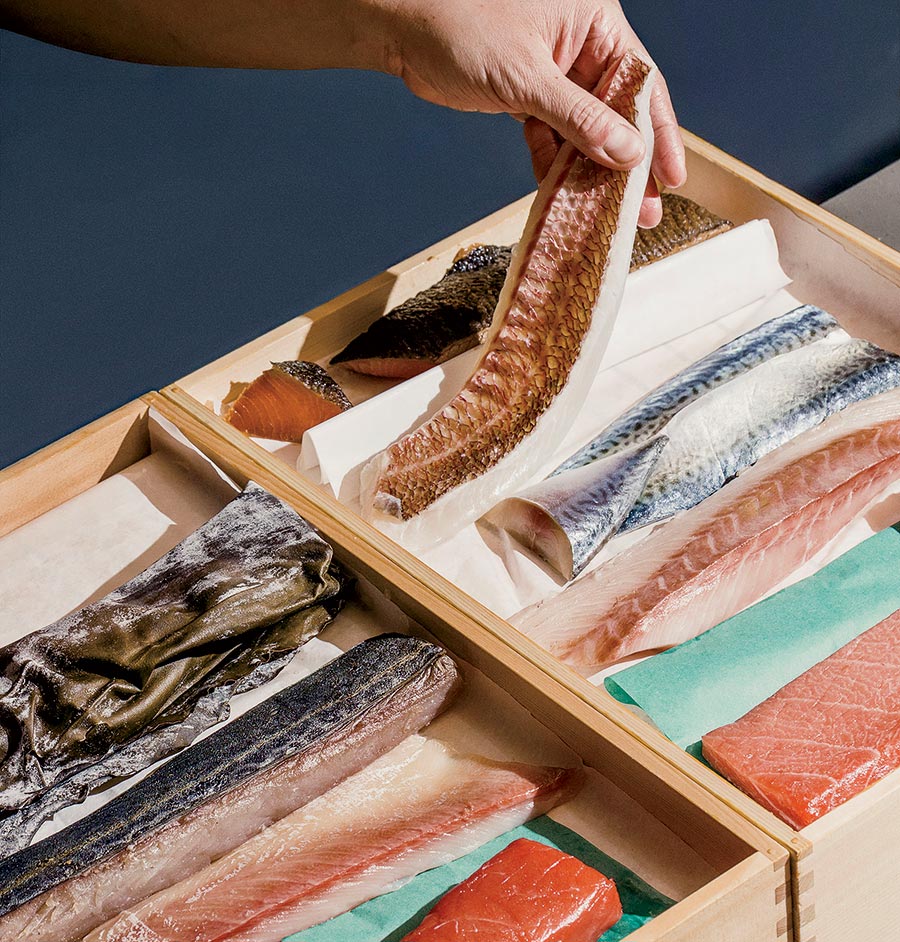
The staff courses out orders in flights, so you may start with a trio of mild, white fishes before advancing to the flavor bombs. Think sea bream with a wash of soy and a dollop of fermented apricot relish; hamachi with the spicy prickle of yuzu kosho; and kanpachi with an assertive dot of fermented black bean paste and a toasted leek chip that tastes like French’s onions.
Chen, who has a thoughtful palate that respects whatever flavor the fish presents, leans into his Chinese heritage. Star anise and cinnamon scent the marinade for his zuke-sake — a firm sliver of king salmon that tastes like it got into a tussle with a Cantonese roast duck. It intrigues me, but I prefer the excellent unmarinated salmon. Props, though, for using king rather than Atlantic salmon. King is not just a different species but a different genus with a different, better flavor.
Like many sushi chefs today, Chen loves plush textures, and when you eat his Hokkaido scallop with flakes of salted kombu or medium-fatty tuna with a punchy miso mustard, you taste just how fat carries flavor. If you’d rather let the kitchen choose, go for the “à la kase” option — a bargain at $63 for 11 pieces, but I would opt for the full omakase at the counter instead, since that’s where you’ll find seasonal specials.
The restaurant buys from one of its vendors, whenever possible, wild-caught fish from New Zealand that were (trigger warning!) killed by the ikejime method. This quick spear to the head delays rigor mortis, so the flesh stays fresh and pliable longer, and as a result you get to try horse mackerel, sea robin, and other delicacies that will never share the counter with a crunch roll.
Other pleasures include a delicate bream tartare with kaluga caviar and (my fave) a duo of salmon roe and creamy Hokkaido uni in a mini rice bowl. The only false note is the ending, a sliver of dull Basque cheesecake.
Two other quibbles: Chen uses a dry-aging fridge, popular among sushi chefs, to concentrate and tenderize the fish. I wonder if this is why some pieces are mealy. Saba mackerel should be shinier to the eye and have a hint of crispness. Kanpachi and bream seemed flabby on one visit as well. My other note of criticism isn’t about the omakase, but about the room, which is big, clattery, and barely decorated. It’s nothing but hard surfaces and amplified voices. Look for a corner table and run to it.
Omakase Box was BYO when I visited, but by the time you go, it will have a nice selection of wine and sake. Choi will be serving a Portuguese Vinho Verde by the glass, a simple but cheerful wine that will be right on message. This is, after all, a man who knows how to keep cost in mind and then overdeliver. With no disrespect to either the purveyors of fancy omakase or those who traffic in super-crunch rolls, this is the kind of sushi house that makes Chicago a more vibrant restaurant town.